




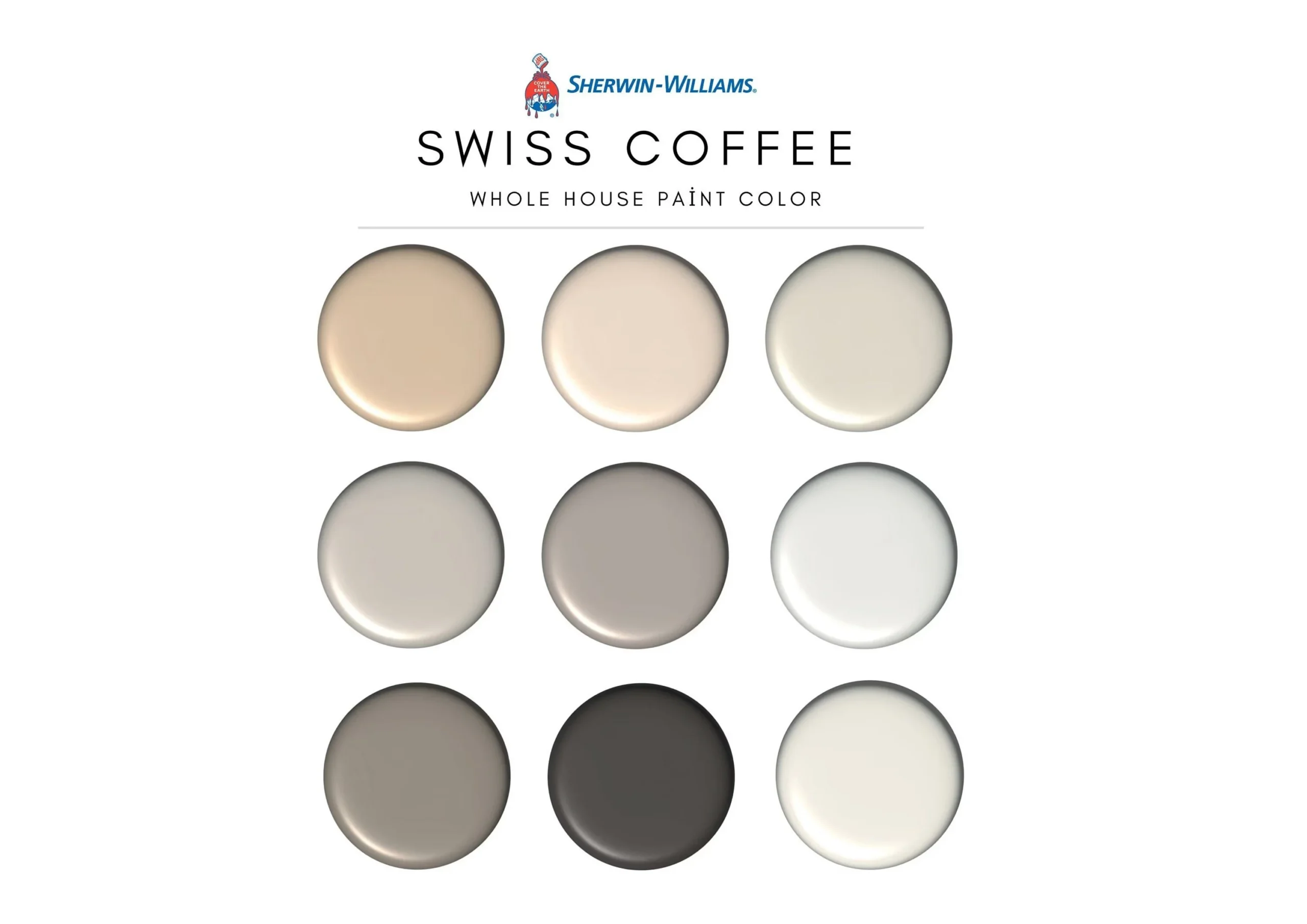
Swiss Coffee Sherwin Williams Swiss Coffee by Sherwin-Williams has emerged as one of the most beloved off-white paint colors among homeowners, designers, and builders. Known for its approachable warmth and soft, creamy tone, Swiss Coffee delivers a sense of comfort and sophistication that is increasingly sought after in modern interior design. As today’s homeowners gravitate toward homes that feel inviting yet open, this shade provides the perfect blend of neutrality and character. Its subtle undertones make it an exceptional backdrop that elevates décor without overpowering the surrounding elements. Because of its adaptability, Swiss Coffee serves as a versatile choice for spaces ranging from traditional living rooms to contemporary kitchens.
The popularity of off-white paints continues to soar as more people seek minimalist, calming environments without resorting to stark white walls. Swiss Coffee fits beautifully into this trend, offering warmth that feels natural and cozy. Unlike cooler whites that can sometimes appear sterile or unwelcoming, Swiss Coffee brings depth and personality. It helps soften hard edges and complements everything from rustic wood to sleek modern furnishings. The shade has become a staple because it creates an atmosphere that feels lived-in and refined at the same time.
A key reason for the enduring appeal of Swiss Coffee is its timelessness. While many paint trends come and go, warm whites remain relevant in all seasons and interior styles. They offer long-term value for homeowners who want their spaces to remain stylish without frequent updates. With its classic aesthetic and broad design compatibility, Swiss Coffee by Sherwin-Williams continues to dominate the world of interior color palettes.
Understanding Swiss Coffee: Color Profile & Characteristics
Swiss Coffee Sherwin Williams One of the most important features of Swiss Coffee is its delicate balance of warmth and neutrality. This off-white shade carries soft beige and creamy undertones that make it feel welcoming without appearing overly yellow. The color can shift slightly depending on lighting, furniture, and finishes within a room, but its gentle warmth always remains a defining characteristic. These undertones play a key role in how the color interacts with other elements, providing a seamless background for both bold and understated décor. Instead of competing with other colors, Swiss Coffee enhances them, making it a great choice for layered and curated spaces.
The Light Reflectance Value (LRV) of Swiss Coffee is another key factor in its performance. With a moderately high LRV, this shade reflects a significant amount of natural and artificial light, making rooms feel brighter and more open. However, it doesn’t reflect as much light as pure white shades, which helps maintain a sense of coziness. The result is a paint color that brightens a room while maintaining a comfortable, lived-in feel. Its ability to adapt to various lighting conditions also makes it an excellent choice for rooms of all sizes, from compact apartments to expansive open-concept homes.
Beyond its visual appeal, Swiss Coffee impacts the emotional feel of a space. Warm tones naturally inspire relaxation, tranquility, and warmth. This makes Swiss Coffee a particularly good option for homes where comfort is a priority. Whether used in a serene bedroom, a welcoming living room, or a spa-inspired bathroom, the shade helps cultivate a peaceful environment. Its soothing qualities make it a smart choice for homeowners looking to create spaces that promote rest and harmony.
How Swiss Coffee Compares to Other Off-Whites
When comparing Swiss Coffee to other popular off-white paint colors, the differences often lie in undertones and overall warmth. For example, Swiss Coffee is noticeably warmer than Sherwin-Williams Alabaster. While Alabaster has a more neutral white profile with fewer creamy undertones, Swiss Coffee carries more beige warmth, giving it a softer look. Homeowners who prefer a gentle but warm aesthetic often choose Swiss Coffee, especially when pairing it with natural textures like wood and linen. In contrast, Alabaster works better in spaces that need a slightly more neutral backdrop.
Swiss Coffee and Shoji White are often compared because both offer comfort and subtle color depth. However, Shoji White leans slightly more towards a greige tone, while Swiss Coffee is creamier and more traditionally warm. Shoji White may appeal to those who want a more modern or muted aesthetic, while Swiss Coffee works best in spaces that embrace softness and warmth. Choosing between the two often comes down to whether a homeowner prefers a color with more beige influence or one that leans more neutral.
When compared to a true white such as Pure White by Sherwin-Williams, the difference becomes even more apparent. Pure White is crisp, bright, and clean—ideal for modern, minimalistic designs. Swiss Coffee, however, offers more character and depth thanks to its undertones. It softens a room and provides a sense of warmth that pure whites often lack. Ultimately, Swiss Coffee stands out in spaces where homeowners want something cozy, adaptable, and timeless rather than stark and modern.
The History & Popularity of Swiss Coffee in Design
Swiss Coffee has a long-standing history in interior design due to its reliably warm and charming aesthetic. Originating from the trend of creamy whites that gained popularity decades ago, this shade has consistently held its place due to its timeless appeal. Designers have long valued Swiss Coffee because it bridges the gap between traditional ivory tones and modern minimalist shades. Its ability to remain relevant across decades and design movements is a testament to its versatility and classic charm. Whether featured in historic homes or brand-new builds, Swiss Coffee always feels welcoming and fresh.
Part of the reason for its continued popularity is its broad appeal. Homeowners seeking a soft, comforting palette appreciate how Swiss Coffee enhances cabinetry, trim, and walls without appearing overly yellow or dull. Its subtle warmth creates a sense of harmony in spaces where people gather, such as kitchens and living rooms. Designers frequently turn to this color when they want a dependable shade that won’t overwhelm a room or limit design choices. Its neutrality makes it compatible with a wide range of furnishings, materials, and accent colors.
In recent years, Swiss Coffee has gained even more traction as warm neutrals have returned to the forefront of interior design. The shift away from cool grays and stark whites has encouraged the use of shades that feel earthy and organic. With today’s trend towards biophilic design—bringing natural elements indoors—Swiss Coffee aligns beautifully with warm wood, stone textures, and woven materials. It is a color that connects people to their surroundings, creating a sense of comfort and natural beauty.
Where Swiss Coffee Looks Best in the Home
Swiss Coffee shines in living rooms, where its warm undertones help create a welcoming environment perfect for relaxation and connection. The shade complements a variety of furniture styles, from plush modern sectionals to classic wooden pieces. When paired with natural light, Swiss Coffee takes on a soft glow that enhances the room’s atmosphere. It also works beautifully with layered textures, such as woven rugs, linen curtains, and natural wood accents. Because living rooms often serve as the heart of the home, Swiss Coffee helps establish a calming yet stylish aesthetic.
In bedrooms, Swiss Coffee promotes a peaceful and serene atmosphere. The subtle warmth of the paint enhances the coziness needed for restful sleep, while still maintaining an airy and open feel. Whether the bedroom décor leans modern, traditional, or eclectic, Swiss Coffee provides a harmonious backdrop. It pairs beautifully with bedding in soft earth tones, neutrals, or even muted pastels. The shade also adapts well to mood lighting, creating a comforting ambiance that is perfect for unwinding at night.
In kitchens and bathrooms, Swiss Coffee offers a clean look without the starkness of pure white. It works especially well with cabinetry, stone countertops, and tile backsplashes. For bathrooms, the shade offers a spa-like atmosphere that feels warm and gentle rather than cold. In kitchens, it pairs nicely with stainless steel appliances, brass fixtures, or natural wood accents. Hallways and entryways also benefit from Swiss Coffee because its brightness helps create a smooth transition between rooms while maintaining consistency throughout the home.
Complementary Colors That Work With Swiss Coffee
When pairing trim and ceiling colors with Swiss Coffee, choosing the right white is crucial to maintaining balance. Many designers prefer using a crisp white for trim to provide contrast, giving Swiss Coffee a clean and defined look. Whites such as Pure White or Extra White work well because they brighten the space without clashing with the warm undertones. For ceilings, a slightly lighter warm white can create a seamless, cohesive effect. The goal is to select whites that complement rather than compete with Swiss Coffee’s soft creaminess.
Accent wall colors paired with Swiss Coffee can bring extra depth and personality to a room. Charcoal, navy, and muted greens work exceptionally well because they offer contrast while still respecting the warmth of the paint. Deep earth tones like terracotta or olive create a grounded, organic look. These richer shades help accentuate the softness of Swiss Coffee, allowing the room’s design to feel layered and intentional. Homeowners who prefer a more subtle approach might choose muted greens or taupes for a soft, rustic aesthetic.
Coordinating neutrals are essential to creating a cohesive palette. Beige, greige, and warm taupe shades all blend beautifully with Swiss Coffee, making them ideal for adjacent rooms or accent pieces. Bold colors, such as emerald green or deep burgundy, add sophistication when used sparingly in décor, pillows, or artwork. These rich hues complement the creamy warmth of Swiss Coffee, offering visual interest without overwhelming the space. The key is striking a balance between warm undertones and contrasting elements that bring dimension to the room.
Swiss Coffee in Different Lighting Conditions
Lighting plays a significant role in how Swiss Coffee appears in various rooms. In spaces with abundant natural light, the shade reflects warmth and brightness that create an open, airy atmosphere. Sunlight enhances its creaminess, making it feel cheerful and welcoming. In rooms with less natural light, Swiss Coffee can appear slightly darker, yet still maintains its soft and cozy character. This ability to adapt while retaining its warmth makes Swiss Coffee a reliable choice for both well-lit and dim environments.
Artificial lighting also influences how Swiss Coffee looks throughout the day. Warm bulbs accentuate the creamy undertones, giving rooms a soft and intimate glow. Cool or daylight LED bulbs can neutralize the warmth slightly, making the shade appear lighter and more subdued. Because lighting plays such an important role, it’s essential to test Swiss Coffee with the type of bulbs used in your home. This helps ensure the final result matches your desired aesthetic, whether you prefer warmth, brightness, or a more neutral appearance.
Testing paint samples is critical when choosing a color like Swiss Coffee. The shade can shift significantly depending on surrounding elements such as floors, furniture, and natural light direction. Applying large sample squares to multiple walls allows you to observe how the color behaves at different times of day. It’s also helpful to view the sample alongside trim colors, flooring, and décor. Taking these steps ensures Swiss Coffee performs beautifully in your home’s unique environment.
Finishes and Applications for Swiss Coffee
Choosing the right finish for Swiss Coffee can significantly impact the overall look and longevity of your paint. Flat and matte finishes are ideal for large wall areas because they offer a smooth, velvety appearance that enhances the softness of the color. Eggshell and satin finishes are slightly more reflective, making them practical for high-traffic areas such as hallways and living rooms. These finishes allow Swiss Coffee to glow subtly without appearing glossy. Selecting the appropriate sheen ensures that the color looks its best while resisting wear and tear.
Swiss Coffee is a popular choice for both walls and trim, though the application can vary depending on the desired aesthetic. On walls, the color offers warmth and depth that create a comfortable environment. When used on trim or doors, Swiss Coffee offers a softer alternative to crisp white, creating a more blended and harmonious look. Some homeowners choose to use different finishes—such as satin for trim and matte for walls—to create dimension while maintaining color consistency.
For exteriors, Swiss Coffee performs well, but requires attention to sunlight exposure. In direct sunlight, it appears lighter and more muted, while in shade, the creamy undertones become more pronounced. It pairs nicely with darker trim colors such as charcoal, deep green, or navy, creating a classic contrast. Whether used in interior or exterior applications, the finish you choose can elevate Swiss Coffee and ensure it complements your home’s architectural style.
Read more: Best Paint for Kitchen Cabinets