





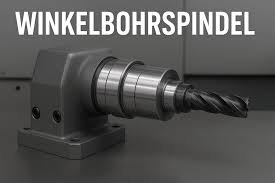
A Winkelbohrspindel, commonly known as an angular drilling spindle, is an essential mechanical device used to perform drilling operations at precise angles that standard vertical or horizontal spindles cannot reach. Its specialized design allows it to transmit rotational motion through a gear mechanism that redirects torque, making it possible to drill in tight, narrow, or angled spaces. This capability is particularly important in industries where precision, compact component arrangements, and unconventional drilling angles are required. The Winkelbohrspindel serves as a bridge between conventional drilling systems and modern manufacturing needs, offering versatility in applications where flexibility and accuracy are paramount.
In modern manufacturing environments, angular drilling units have become indispensable due to their ability to streamline workflows. Traditional drilling tools often struggle with structural limitations, especially when working on complex assemblies such as automotive engines, aircraft fuselages, or intricate wooden furniture. The Winkelbohrspindel eliminates this challenge by adapting to spatial restrictions while maintaining optimal drilling power. The result is improved efficiency, reduced repositioning time, and a significant reduction in manual labor. Because they integrate seamlessly with CNC machines and automated production lines, Winkelbohrspindeln support today’s demand for accuracy and speed, enhancing operational performance across numerous sectors.
Evolution of Angular Drilling Spindles
The evolution of the Winkelbohrspindel began with early mechanical solutions designed to address challenges in drilling compartments where straight tools could not operate effectively. Craftsmen originally relied on improvised angle attachments that lacked precision and durability, often resulting in poor-quality work or tool failures. When industrialization increased the complexity of mechanical assemblies, these crude angle adapters quickly became insufficient. Manufacturers demanded a reliable solution capable of performing precision drilling without compromising structural integrity. This need paved the way for the development of engineered angular spindles with improved gear mechanisms and enhanced materials, marking the first major advancement in the field.
As machinery advanced, so did the technology behind angular drilling spindles. The introduction of high-precision bearings, hardened gear teeth, and lightweight alloys dramatically improved performance and durability. Later, CNC technology brought further refinement, enabling Winkelbohrspindeln to integrate into automated systems with ease. Modern designs now emphasize high torque transfer efficiency, minimal vibration, and exceptional repeatability. These improvements reflect a broader trend toward automation and digital control in manufacturing, positioning the Winkelbohrspindel as a key component in Industry 4.0 environments. The evolution continues as manufacturers experiment with smart sensors, adaptive torque systems, and AI-enhanced monitoring features.
Core Components of a Winkelbohrspindel
The structural frame or housing of a Winkelbohrspindel serves as the foundation for all its internal mechanisms. Typically constructed from high-strength metals or composite alloys, the housing protects sensitive internal components from mechanical stress, vibration, and contamination. It must be both lightweight and durable, ensuring the spindle can operate smoothly under intense pressure while resisting deformation. Manufacturers often apply special coatings to the housing to enhance corrosion resistance, heat tolerance, and overall longevity. These design choices ensure that the spindle remains reliable even in harsh industrial environments where exposure to dust, humidity, or chemical agents is common.
Inside the housing is the heart of the Winkelbohrspindel: the gear mechanism responsible for angle transmission. This gear system redirects rotational force, usually by 90 degrees, enabling drilling in orientations impossible for straight spindles. High-precision bearings support the rotating parts, reducing friction and maintaining alignment during operation. The drive motor, whether electric or pneumatic, provides the power necessary to operate the spindle. Finally, the tool holder or chuck ensures secure attachment of drilling bits, minimizing wobble during use. Together, these components work in harmony to deliver accurate drilling performance across various applications.
How a Winkelbohrspindel Works
A Winkelbohrspindel relies on the principles of mechanical torque redirection to function effectively. At the core of its operation is a set of angled gears—often bevel gears—that shift rotational energy from the motor to the drilling bit through a precise angular pathway. This redirection allows the spindle to perform drilling at unconventional orientations without losing torque consistency. The precision of this torque transfer determines the spindle’s ability to maintain drilling accuracy, especially when working with hard materials or performing deep drilling tasks. High-quality machining of gears is essential to avoid backlash, vibration, or torque loss.
Another key element of the spindle’s operation is motion control, which ensures that rotational speed, torque, and alignment remain stable throughout use. This stability is achieved through a combination of balanced mechanical components and high-grade bearings that reduce friction and heat generation. The spindle’s design also accounts for vibration damping, which enhances both tool life and drilling accuracy. When speed, force, and vibration interact optimally, the Winkelbohrspindel delivers smooth, controlled performance. These operational principles allow the spindle to support demanding industrial environments where both power and precision are critical.
Types of Winkelbohrspindeln
Fixed-angle spindles are designed to maintain a specific orientation, typically 90 degrees, making them ideal for repetitive drilling tasks that require consistent accuracy. Because they are engineered for a single angle, these spindles offer exceptional stability and durability. Industries dealing with mass production often prefer fixed-angle spindles, as they reduce setup time and ensure uniform results. Their rigid structure also minimizes the potential for misalignment, making them suitable for deep drilling or operations involving high torque loads.
Adjustable-angle units provide far greater flexibility, allowing operators to modify the spindle’s orientation to accommodate different drilling scenarios. This versatility is particularly valuable in industries that work with custom assemblies or irregular component geometries. High-speed spindles are built for operations requiring rapid drilling, usually involving softer materials or precision-focused tasks. In contrast, high-torque variants are engineered for demanding operations in heavy industries where force is more critical than speed. Compact and lightweight models support fine-detail work, while heavy-duty versions excel in large-scale industrial manufacturing.
Materials and Build Quality
The materials used in a Winkelbohrspindel greatly influence its performance, durability, and operational lifespan. Manufacturers typically select high-strength steel, aluminum alloys, or composite materials to construct the main body and internal components. Steel offers superior strength and heat tolerance, making it ideal for heavy-duty applications. Aluminum alloys, on the other hand, provide a lightweight yet durable alternative, especially useful in portable or precision-focused devices. Advanced composites may also be used to reduce weight while maintaining exceptional rigidity, ensuring consistent performance during high-speed or precision drilling operations.
Beyond material selection, additional treatments play a significant role in enhancing spindle quality. Heat treatment processes improve the hardness of gears and shafts, increasing wear resistance and reducing the risk of deformation under pressure. Surface coatings like anodizing, nitriding, or specialized anti-corrosion coatings extend the spindle’s lifespan by protecting it from rust, friction, and environmental exposure. These enhancements are particularly important in industries where equipment must withstand extreme temperatures, moisture, or abrasive materials. Together, premium materials and advanced treatments ensure that the Winkelbohrspindel performs reliably even under tough working conditions.
Key Performance Specifications
Speed range and RPM capacity are critical factors that determine the suitability of a Winkelbohrspindel for specific applications. Higher RPM values are typically preferred in precision drilling scenarios or when working with softer materials, as they allow cleaner, faster cuts. Conversely, lower RPM levels paired with increased torque are essential when drilling harder materials like metal or composite structures. The balance between speed and torque must align with the intended application to optimize performance and extend tool life. Manufacturers usually provide detailed specifications, enabling users to select a spindle that matches their operational requirements.
Torque rating is another important metric, especially for heavy-duty drilling tasks. A high torque output ensures that the spindle can penetrate tough materials without stalling or causing excessive wear. Maximum drilling diameter and depth specifications offer insight into the tool’s overall capability, indicating how well it can handle deep or wide bores. Precision tolerances reflect the spindle’s ability to minimize deviation during drilling, which is crucial for industries requiring high accuracy. Noise levels and operational smoothness also influence performance, as quieter and smoother spindles indicate superior engineering and better long-term reliability.
Common Applications Across Industries
The automotive sector relies heavily on Winkelbohrspindeln for accessing tight engine compartments, chassis frameworks, and complex mechanical assemblies. Conventional drilling tools often cannot reach recessed or angled areas in vehicle components, making angular drilling spindles essential. These spindles play a key role in ensuring accuracy in hole placement, which is critical for components such as fuel systems, suspension parts, and transmission housings. Their ability to operate efficiently in compact spaces enhances production speed while reducing the need for manual disassembly of vehicle parts during manufacturing or repair.
In the aerospace industry, precision and reliability are paramount. Winkelbohrspindeln support the drilling of lightweight metals, composite structures, and aerodynamic components that require exact angles and consistent torque. Aircraft frames often contain intricate patterns of angled surfaces, which standard drilling tools cannot easily accommodate. Similarly, in woodworking and furniture making, angular spindles enable artisans and manufacturers to create joints, grooves, and decorative elements with exceptional accuracy. Industrial machinery manufacturers also benefit from these spindles, as they simplify drilling in large assemblies where repositioning equipment would be time-consuming and labor-intensive.
Choosing the Right Winkelbohrspindel
Selecting the appropriate Winkelbohrspindel involves evaluating the requirements of the intended application. Users must consider whether their operations demand fixed or adjustable angles, high speed, or high torque. Projects requiring consistent angle drilling benefit from fixed-angle models, while those involving varied tasks may require spindles with adjustable orientations. The physical space available for drilling also plays a key role—compact spindles are ideal for tight environments, whereas larger industrial models provide superior power and durability. Evaluating these factors ensures compatibility and optimal performance.
Power demand, torque specifications, and speed ranges are equally important. Matching spindle capabilities with the hardness, thickness, and material composition of the workpiece reduces wear and improves efficiency. Buyers should also ensure that the spindle integrates smoothly with existing CNC machines or manual drilling systems. Compatibility with tool holders, chucks, and adapters can significantly influence workflow efficiency. Investing time in understanding these considerations leads to informed purchasing decisions that enhance both productivity and precision.
Installation and Setup
Preparing for installation begins with ensuring that the host machine—whether a CNC unit or manual drill press—is structurally compatible with the spindle. The mounting surface must be stable, vibration-resistant, and correctly aligned. Operators should verify that all mounting holes, connectors, and drive systems match the spindle’s specifications. Proper environmental conditions, such as adequate lighting and workspace clearance, also contribute to safe and efficient installation. By establishing a solid foundation, users minimize errors during setup and prevent premature wear.
After mounting, calibration plays a crucial role in achieving accurate results. This process involves adjusting the spindle angle, verifying alignment with the drill bit, and ensuring proper lubrication throughout the gear system. Cooling systems, whether air or liquid-based, must be checked for functionality to prevent overheating during operation. Routine safety checks, including testing emergency stops and verifying secure tool attachment, complete the setup process. These steps ensure that the spindle operates smoothly and safely during real-world drilling tasks.
Maintenance and Care
Routine inspection is key to maintaining a Winkelbohrspindel’s performance. Users should regularly check for signs of wear, such as unusual noise, increased vibration, or reduced drilling accuracy. Bearings and gears are particularly prone to deterioration due to their constant movement and load-bearing roles. Early detection of wear prevents costly repairs and minimizes downtime. Operators should also inspect fasteners, tool holders, and housing integrity to ensure continued stability during operation.
Lubrication is essential for preserving spindle longevity. Using the correct grease or oil reduces friction, prevents overheating, and ensures smooth gear movement. The frequency of lubrication depends on the spindle’s workload and operating environment. In high-usage settings, lubrication may be required more frequently. Over time, components such as gears or bearings may need replacement to maintain performance. Troubleshooting common issues—such as noise, misalignment, or decreased torque—helps users resolve small problems before they escalate, ultimately extending the spindle’s operational lifespan.
Advantages of Using a Winkelbohrspindel
One of the greatest advantages of using a Winkelbohrspindel is the flexibility it brings to complex drilling operations. The ability to drill in confined spaces, tight angles, or awkward orientations significantly expands the range of possible applications. This flexibility is particularly valuable in industries where machine layouts or component designs restrict access to straight drilling tools. Angular spindles eliminate the need for lengthy disassembly processes, saving time and reducing labor costs. Their design allows precise control over drilling angles, improving overall accuracy.
Another major benefit is enhanced productivity. Because Winkelbohrspindeln integrate seamlessly with CNC systems, they enable automated drilling operations that maintain consistency across high-volume production cycles. This reduces the likelihood of errors and enhances product quality. The spindle’s precision also minimizes material wastage, contributing to cost-efficiency. Overall, the use of a Winkelbohrspindel helps manufacturers achieve faster turnaround times, improved operational flow, and increased competitiveness in demanding markets.
Potential Limitations and Challenges
Despite their advantages, Winkelbohrspindeln come with limitations. Excessive torque loads or improper positioning can lead to mechanical stress on the gear system. If users attempt to drill materials that exceed the spindle’s capacity, internal components may suffer damage. This makes it crucial to match spindle specifications to the intended applications. Additionally, vibration issues may arise if the spindle is not properly balanced or installed on a stable surface. These limitations underscore the importance of proper setup, maintenance, and handling.
Compatibility concerns can also pose challenges, particularly when integrating older machinery with newer spindle models. Some machines may require custom adapters or modifications, increasing installation time and cost. High-frequency use in demanding environments can contribute to accelerated wear, making maintenance a significant consideration for long-term viability. Understanding these potential challenges helps users prepare and implement preventative measures for reliable spindle performance.
Innovations in Winkelbohrspindel Technology
New innovations in spindle technology are revolutionizing how Winkelbohrspindeln operate. Smart spindles equipped with sensors can monitor temperature, vibration, torque load, and rotational speed in real time. This data enables predictive maintenance, helping operators identify potential issues before they lead to breakdowns. Such capabilities increase efficiency and extend equipment lifespan. These advancements represent a major shift toward intelligent manufacturing systems, where real-time data informs operational decisions.
Lightweight materials like titanium alloys and advanced composites are being used to reduce spindle weight while maintaining strength. Noise reduction engineering has also improved operational comfort and efficiency. As Industry 4.0 technologies continue to evolve, we can expect future spindles to incorporate more automation, AI-driven optimization, and advanced networking capabilities. These innovations reflect the growing demand for high-performance, sustainable, and intelligent machining solutions.
Cost Factors and Pricing Guide
Several factors influence the pricing of Winkelbohrspindeln, including material quality, gear precision, and power ratings. High-torque or specialized angle-adjustable models tend to cost more due to their enhanced engineering complexity. Brands that use premium bearings, heat-treated components, and advanced coatings also command higher prices. These enhancements contribute to longer lifespan, better performance, and reduced maintenance costs, justifying the investment for professional or industrial applications.
Prices vary widely, from more affordable entry-level options suitable for light-duty work to premium industrial-grade spindles costing significantly more. When evaluating pricing, it is essential to consider total cost of ownership rather than initial purchase price alone. This includes maintenance expenses, expected lifespan, replacement component costs, and energy consumption. Choosing a spindle that aligns with your long-term operational needs often results in better value and improved productivity.
Leading Manufacturers and Brands
Germany leads the market in precision-engineered Winkelbohrspindeln, with manufacturers known for producing exceptionally durable and accurate tools. These brands often emphasize rigorous quality control, advanced technology integration, and long-term reliability. Their spindles are favored in automotive, aerospace, and industrial sectors where high performance is essential. International brands also contribute to the market, offering diverse product lines that cater to different budgets and application needs.
When selecting a manufacturer, it is important to evaluate warranty coverage, customer support, and service availability. A reputable manufacturer provides detailed documentation, technical assistance, and readily available replacement parts. Comparing manufacturer specifications helps buyers identify key differences in torque, speed, material quality, and overall performance. Investing in a reliable brand ensures optimal spindle operation and reduces the risk of unexpected downtime.
Safety Considerations When Using a Winkelbohrspindel
Safety is a critical concern when operating a Winkelbohrspindel, as improper handling can lead to injuries or equipment damage. Operators should always wear appropriate personal protective equipment (PPE), such as safety glasses, gloves, and hearing protection. Ensuring secure mounting and alignment of the spindle reduces the risk of tool slippage or mis-drilling. Keeping hands and clothing away from moving parts prevents accidents during operation. Training operators in proper spindle use significantly enhances workplace safety.
Mechanical failures such as gear jams can be minimized through routine maintenance and adherence to operational guidelines. It is essential to avoid overloading the spindle or using tools incompatible with the spindle’s design. Securely tightening drill bits and regularly inspecting the tool holder also prevents accidents. By adhering to these safety measures, operators not only protect themselves but also maintain equipment longevity and performance.
Real-World Case Studies
In automotive manufacturing, Winkelbohrspindeln have proven invaluable for improving production speed and accuracy. One case study involves a major automotive plant that reduced assembly line delays by 20% after implementing adjustable-angle spindles. Technicians were able to drill engine block components without repositioning vehicles, improving workflow efficiency. This real-world example demonstrates the significant impact angular spindles can have on reducing production bottlenecks.
In woodworking, a custom furniture manufacturer reported notable improvements in precision after adopting a compact Winkelbohrspindel for intricate joint construction. The spindle’s ability to handle detailed angles allowed the company to expand its creative designs without compromising production time. Similarly, industrial machinery producers have used heavy-duty angular spindles to simplify drilling in large assemblies where straight spindles were previously ineffective. These examples highlight the spindle’s versatility across industries.
Expert Tips and Best Practices
To extend the lifespan of your Winkelbohrspindel, it is essential to follow proper handling techniques. Avoid forcing the spindle to operate at torque or speed levels beyond its specifications. Use high-quality drill bits that minimize resistance and reduce stress on the spindle’s gears and bearings. Keeping the spindle clean and well-lubricated supports optimal performance, especially in environments with dust or moisture. Regular calibration enhances accuracy and prevents unnecessary wear.
Selecting the right accessories further improves efficiency. Using compatible chucks, tool holders, and adapters ensures secure attachment and reduces vibration. Monitoring performance characteristics such as temperature and noise levels alerts operators to potential issues early. Implementing predictive maintenance strategies based on usage frequency and workload patterns also contributes to long-term reliability. Following these expert tips helps users maintain consistent performance and extend the overall service life of the spindle.
Future of Winkelbohrspindeln in Industry 4.0
As manufacturing becomes increasingly automated, Winkelbohrspindeln are evolving to keep pace with Industry 4.0 demands. Integration with robotics and smart CNC machines allows spindles to operate autonomously with remarkable precision. Sensors embedded within spindle components can relay real-time data to cloud-based platforms, enabling remote monitoring and optimization. This connectivity enhances diagnostics, maintenance planning, and quality control processes, making production more efficient.
Artificial intelligence is expected to play a significant role in future spindle technology. AI-driven algorithms may analyze drilling performance patterns to adjust torque, speed, or angle configurations automatically. Lightweight, energy-efficient materials will further reduce power consumption while improving durability. As innovation continues, next-generation Winkelbohrspindeln will combine advanced mechanics with intelligent software systems, making them indispensable tools in modern manufacturing.
Conclusion
Winkelbohrspindeln have transformed the way industries approach angled and precision drilling tasks. Their ability to operate in tight or complex spaces makes them essential for automotive, aerospace, woodworking, and industrial manufacturing. With advancements in materials, smart technology, and mechanical engineering, these spindles continue to evolve to meet modern production demands. A thorough understanding of their types, components, installation methods, and maintenance requirements ensures long-lasting performance. As industries embrace automation and digital integration, Winkelbohrspindeln will remain vital tools for achieving efficiency, precision, and innovation in manufacturing environments.
FAQs
-
What exactly does a Winkelbohrspindel do?
It redirects torque at an angle to allow drilling in tight or unconventional spaces. -
How is an angular drilling spindle different from a standard spindle?
It uses gear mechanisms to perform angled drilling, unlike straight spindles. -
Can I use a Winkelbohrspindel on any CNC machine?
Compatibility varies—check mounting requirements and tool holder compatibility. -
What type of maintenance does a spindle require?
Regular lubrication, inspection of gears and bearings, and proper calibration. -
Which industries benefit most from angular drilling spindles?
Automotive, aerospace, woodworking, and industrial machinery sectors. -
How long do these spindles typically last?
With proper maintenance, many years—even in demanding environments. -
Are adjustable-angle spindles better than fixed ones?
They offer flexibility but may have more moving parts requiring maintenance. -
What safety precautions should be taken during operation?
Use PPE, ensure secure mounting, and avoid exceeding specified torque limits. -
How do I select the correct spindle speed?
Match it to material hardness and drilling requirements as per manufacturer guidelines. -
What are the signs that a spindle needs repair or replacement?
Increased vibration, unusual noise, reduced torque, or decreased drilling accuracy.
Read more: Danwarning70