





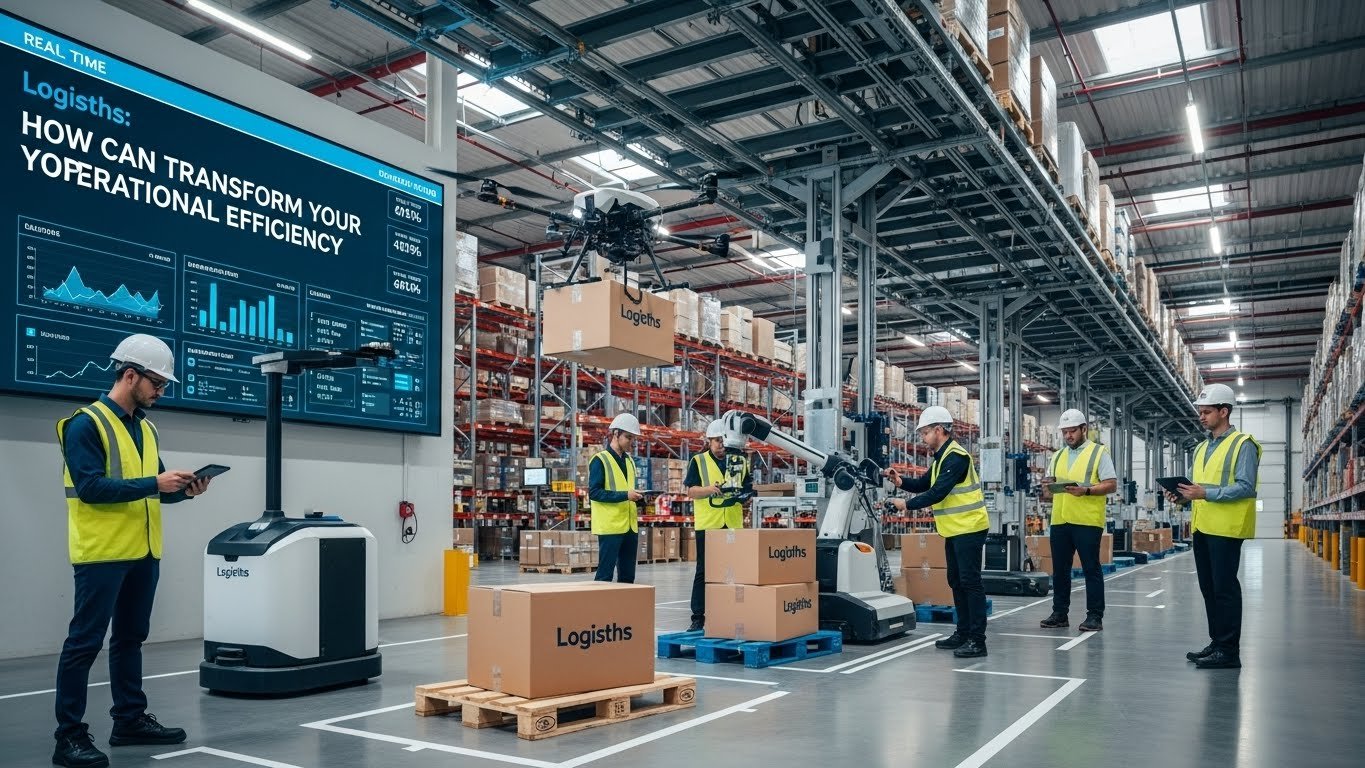
Logisths represents the modern evolution of logistics, blending traditional supply chain principles with advanced technology, data intelligence, and strategic integration. In today’s hyper-connected world, businesses no longer rely on simple transportation and storage models. Instead, Logisths encompasses a holistic system that ensures goods, information, and resources flow seamlessly from origin to destination. It is not merely about movement but about optimization, visibility, and adaptability across the entire supply chain.
The importance of Logisths has grown dramatically as global commerce becomes faster, more competitive, and increasingly customer-centric. Companies are under constant pressure to reduce delivery times, lower operational costs, and maintain high service quality. Logisths addresses these challenges by integrating technology-driven solutions with strategic planning, allowing organizations to respond quickly to market fluctuations and consumer demands.
As industries adopt digital transformation, Logisths has emerged as a critical backbone of modern economies. From e-commerce giants to small manufacturers, businesses now recognize that efficient logistics systems are no longer optional. Logisths provides the framework to achieve scalability, resilience, and long-term growth in an increasingly complex global marketplace.
The Core Concept of Logisths
At its core, Logisths is about integration and intelligence. Unlike traditional logistics, which often operates in isolated functions such as transportation or warehousing, Logisths unifies these elements into a single, coordinated system. This integration ensures that every component of the supply chain communicates effectively, reducing inefficiencies and enhancing decision-making capabilities.
A defining principle of Logisths is optimization. Every movement, storage decision, and delivery route is analyzed through data and performance metrics. By leveraging real-time insights, organizations can minimize waste, avoid delays, and allocate resources more efficiently. This data-driven approach transforms logistics from a reactive function into a proactive strategic advantage.
Another essential aspect of Logisths is adaptability. Modern supply chains face constant disruptions, from geopolitical issues to sudden demand spikes. Logisths systems are designed to anticipate change and respond swiftly. Through predictive analytics and scenario planning, businesses can maintain continuity and resilience, even in volatile environments.
Historical Development of Logisths
The roots of Logisths can be traced back to early trade routes, where logistics focused primarily on transporting goods safely over long distances. Ancient civilizations developed basic systems for storage, inventory tracking, and distribution, laying the groundwork for what would later become organized logistics. These early practices were labor-intensive and heavily dependent on human coordination.
The Industrial Revolution marked a significant turning point. Mass production required more structured logistics systems to handle increased volumes of raw materials and finished goods. Railways, steamships, and later motorized transport revolutionized distribution, enabling faster and more reliable movement across regions and continents. Logistics began to evolve into a specialized discipline.
The digital age transformed logistics into Logisths. The introduction of computers, enterprise software, and internet connectivity enabled real-time tracking, automation, and global coordination. Today, Logisths represents the culmination of centuries of progress, combining historical logistics foundations with cutting-edge technology and strategic innovation.
Components of a Logisths System
A comprehensive Logisths system is built upon several interconnected components that work together to ensure operational efficiency. Transportation management is one of the most visible elements, involving the planning and execution of moving goods across various modes. Effective transportation strategies reduce costs while meeting delivery expectations.
Warehousing and storage form another critical component. Modern warehouses are no longer passive storage spaces; they are dynamic hubs equipped with automation, inventory tracking, and real-time data systems. These facilities play a key role in ensuring products are readily available and efficiently distributed.
Inventory control ties all components together. Accurate inventory management ensures that the right products are available at the right time without excessive overstocking. Within Logisths, inventory decisions are guided by demand forecasting, sales data, and market trends, creating a balanced and responsive supply chain.
Transportation in Logisths
Transportation within Logisths involves strategic decision-making across multiple modes, including road, rail, air, and sea. Each mode offers unique advantages in terms of cost, speed, and capacity. Logisths systems evaluate these factors to select the most efficient combination for each shipment.
Multimodal and intermodal transportation strategies have become increasingly popular. By combining different transport modes, businesses can optimize routes and reduce dependency on a single channel. This flexibility is particularly valuable in global supply chains, where disruptions can occur unexpectedly.
Balancing cost efficiency and delivery speed is a constant challenge in Logisths. Advanced route optimization tools and real-time tracking technologies allow organizations to make informed decisions, ensuring timely deliveries while controlling transportation expenses.
Warehousing and Distribution Networks
Warehousing plays a strategic role in Logisths by acting as a bridge between production and consumption. Businesses must decide between centralized and decentralized warehouse models based on factors such as demand patterns, delivery speed requirements, and operating costs.
The rise of smart warehouses has transformed distribution networks. Automation, robotics, and warehouse management systems improve picking accuracy, reduce labor dependency, and enhance operational speed. These technologies enable warehouses to function as high-performance distribution centers.
Location strategy is another critical consideration. Warehouses must be strategically positioned to minimize transportation distances and improve last-mile delivery efficiency. In Logisths, distribution networks are continuously analyzed and optimized to adapt to changing market conditions.
Inventory Management within Logisths
Inventory management within Logisths focuses on achieving the delicate balance between availability and efficiency. Excess inventory ties up capital and increases storage costs, while insufficient stock leads to lost sales and dissatisfied customers. Logisths systems address this challenge through data-driven inventory planning.
Just-in-time inventory models are widely used to reduce waste and improve cash flow. By aligning inventory levels with actual demand, businesses can operate more efficiently. However, this approach requires precise coordination and reliable supply chain partners.
Demand forecasting plays a crucial role in inventory optimization. By analyzing historical data, seasonal trends, and market signals, Logisths systems enable accurate predictions. This proactive approach minimizes risk and ensures consistent service levels across the supply chain.
Technology Powering Logisths
Technology is the backbone of Logisths, enabling real-time visibility and control across complex supply chains. Logistics management software integrates transportation, warehousing, and inventory data into unified platforms. This integration allows decision-makers to monitor performance and respond quickly to issues.
Cloud-based systems have revolutionized accessibility and scalability. Businesses can now manage logistics operations from anywhere, collaborate with partners, and scale resources based on demand. Cloud solutions also reduce infrastructure costs and improve system reliability.
The Internet of Things (IoT) further enhances Logisths by enabling real-time tracking of goods, vehicles, and equipment. Sensors provide valuable data on location, temperature, and condition, ensuring product integrity and improving operational transparency.
Automation and AI in Logisths
Automation has become a defining feature of modern Logisths. Robotics in warehouses streamline picking, packing, and sorting processes, significantly improving speed and accuracy. These systems reduce human error and allow workers to focus on higher-value tasks.
Artificial intelligence plays a transformative role in route optimization and demand forecasting. AI algorithms analyze vast datasets to identify patterns and recommend optimal decisions. This intelligence enables proactive planning and reduces operational uncertainty.
Predictive analytics further enhances Logisths by anticipating potential disruptions. From weather-related delays to equipment failures, AI-driven insights help businesses prepare contingency plans and maintain continuity across their logistics networks.
Logisths and Supply Chain Integration
Supply chain integration is a central objective of Logisths. By connecting suppliers, manufacturers, distributors, and retailers, businesses gain end-to-end visibility. This transparency improves coordination and reduces bottlenecks across the supply chain.
Collaborative platforms facilitate information sharing among stakeholders. Real-time data exchange ensures that all parties operate with accurate and up-to-date information, enhancing trust and efficiency. Integration also enables synchronized planning and execution.
End-to-end integration allows organizations to optimize performance holistically rather than focusing on isolated functions. Logisths transforms the supply chain into a cohesive ecosystem that delivers value to both businesses and customers.
Conclusion
Logisths represents the future of logistics and supply chain management. By integrating technology, strategy, and data, it transforms traditional logistics into a powerful competitive advantage.
From global enterprises to small businesses, Logisths enables efficiency, resilience, and customer satisfaction. Its impact extends across industries and economies.
As markets continue to evolve, organizations that embrace Logisths will be best positioned to thrive in an increasingly complex world.
Frequently Asked Questions (FAQs)
What does Logisths mean?
Logisths refers to an advanced, integrated approach to logistics that combines technology, data, and strategy.
How is Logisths different from traditional logistics?
Logisths emphasizes real-time visibility, automation, and end-to-end integration.
Is Logisths suitable for small businesses?
Yes, scalable tools and outsourcing make Logisths accessible to SMEs.
What technologies are essential for Logisths?
Cloud platforms, AI, IoT, and analytics are key technologies.
Why is Logisths important for the future?
It enables resilience, sustainability, and competitiveness in modern supply chains.
Read more: Monika Leveski