





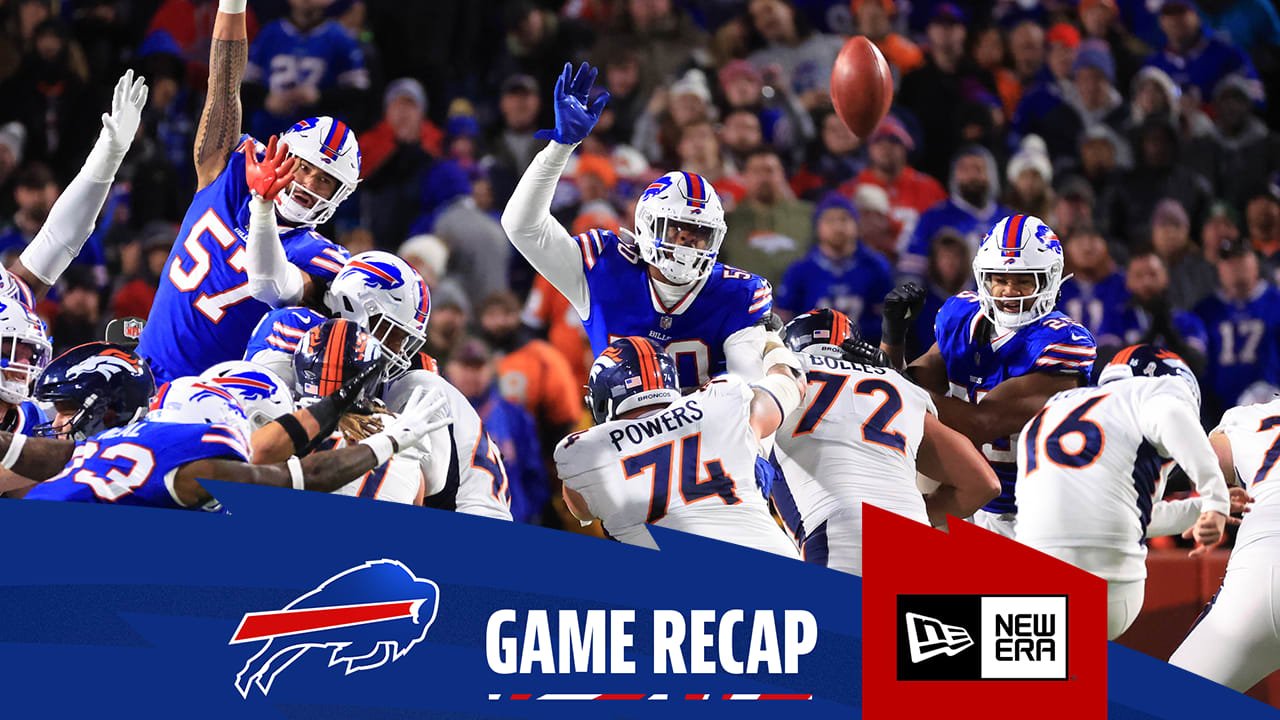
Buffalo Bills vs Denver Broncos Match Player Stats The Buffalo Bills and Denver Broncos recently delivered another incredible matchup that showcased strategic football, powerful athleticism, and individual brilliance from multiple players across both teams. Analyzing player statistics has become more essential than ever because raw numbers help fans and analysts understand the story behind the game beyond the final score. Stats reveal where each team excelled, where they struggled, and how individual performances influenced the rhythm and control of the game. Whether it was a quarterback carving up defenses, a linebacker stuffing rushing lanes, or a receiver turning short catches into chain-moving plays, every number carries weight in the overall evaluation.
In the modern NFL, player performance data has shifted from simple counting stats like yards and touchdowns to complex efficiency data, advanced analytics, and real-time next-gen breakdowns. These additional layers help fans truly appreciate the nuance behind coaching decisions, matchups, momentum shifts, and game planning. This article goes beyond box scores to highlight the deeper story of the Bills vs Broncos clash, exploring each positional group in detail and giving readers a complete picture of how both teams stacked up. From offensive execution to defensive resilience, this breakdown aims to uncover what defined the matchup statistically—and why it mattered.
Background of the Bills-Broncos Rivalry
The Buffalo Bills and Denver Broncos have faced each other numerous times throughout NFL history, and the rivalry has produced memorable games across decades. While they may not share division status, their matchups have often had playoff implications and have been characterized by unpredictable outcomes and standout individual performances. Both franchises also have passionate fan bases, and games between them often attract high national interest. The rivalry has featured Hall of Fame quarterbacks, record-setting defensive units, and legendary playoff battles, generating a rich historical backdrop that elevates every new chapter.
Historically, the Bills have leaned on physical defense and explosive passing offenses, while the Broncos have adopted identities that changed significantly through eras—from the Elway years, to the Peyton Manning dominance, to recent rebuilding phases. What has remained consistent, however, is that the two teams tend to bring out competitive, strategic football from each other. This matchup also carried weight in the ongoing evolution of their seasons, as both squads were looking to build momentum and assert themselves in playoff positioning. The stage was perfectly set, and the numbers from this game offer yet another unforgettable snapshot in their ongoing rivalry.
Game Context and Pre-Match Expectations
Heading into the matchup, both teams understood the stakes and the consequences a win—or loss—could have on their postseason hopes. The Buffalo Bills came in needing a strong performance to maintain or improve their position within a tightly contested AFC Wild Card race. Their offense had shown moments of brilliance earlier in the season, but consistency remained a concern. Entering the game, analysts and fans were curious whether the Bills could execute a clean, efficient offensive performance without costly turnovers or untimely penalties that had hurt them in prior outings.
On the other hand, the Denver Broncos approached the game as a team gaining confidence, riding improved defensive play and a more cohesive offensive rhythm. Their surge in competitiveness made them a dangerous opponent, capable of disrupting strong offensive units and turning chaotic plays into opportunities. Pre-game narratives centered around whether the Broncos defense could slow down Buffalo’s dynamic passing game and whether their own offense could keep pace against a traditionally physical and fast Bills defensive unit. With both teams needing the win for different but equally compelling reasons, the matchup was expected to be strategic, tense, and decided by execution at situational levels—red zone success, third-down conversions, time of possession, and turnovers.
Buffalo Bills Team Performance
Offensive Overview
The Buffalo Bills offense entered the matchup with a clear objective: control the ball, sustain drives, and avoid the costly mistakes that had derailed games earlier in the season. Statistically, the Bills offense demonstrated both efficiency and explosive potential, generating strong yardage totals through a balanced mix of passing and running. Their quarterback spread the ball effectively among multiple receivers, forcing the Broncos to defend every blade of grass. Third-down conversions played a significant role in extending drives, and the Bills showed improved short-yardage execution, a previous area of inconsistency. Whether driving through tempo, screen action, or intermediate crossing routes, Buffalo’s passing game demonstrated fluidity and adaptability.
However, the offense was not without its challenges. Denver brought pressure at key moments, forcing hurried throws and occasional miscommunications. The Bills’ offensive line at times struggled to neutralize interior pass rush, which caused breakdowns in pass protection and stalled promising drives. While the Bills generated strong overall yardage, red zone efficiency became a critical metric in determining how fully they capitalized on their opportunities. Drives that ended in field goals instead of touchdowns kept the game closer than it could have been, putting pressure on the defense later in the contest.
Defensive Overview
Buffalo Bills vs Denver Broncos Match Player Stats From the beginning, Buffalo’s defensive game plan appeared focused on containing explosive plays and forcing the Broncos to methodically earn their points. The Bills front seven delivered solid gap discipline against the run, using disciplined lane fits and backside pursuit to limit Denver’s big-play potential. In passing situations, Buffalo generated pressure through both edge rush and interior disruption, making the opposing quarterback uncomfortable and forcing quicker decisions than desired. Their defensive backs also demonstrated tight coverage technique, particularly on deep and intermediate throws where timing routes were challenged aggressively at the catch point.
Despite strong stretches, the Bills defense had trouble closing out certain drives, especially when Denver found rhythm with play-action concepts or tempo. Missed tackles in space occasionally extended plays and shifted momentum, and Denver capitalized more effectively in some late-drive situations. Still, Buffalo’s defense made key stops in long-field scenarios, preventing Denver from consistently finishing promising drives with touchdowns. The unit’s performance was a blend of resilience and situational bending, relying on execution in critical downs and field position management to keep the game under control.
Special Teams Performance
Special teams have long been a critical component of Buffalo’s identity, and this game reinforced how much influence the third phase can have on final outcomes. The Bills produced solid punt protection, coverage consistency, and clean operation on kickoffs, ensuring field position stability throughout much of the game. Their kicker delivered under pressure, converting from multiple distances and keeping the scoreboard moving even when offensive drives stalled in enemy territory. Field goal reliability became especially important as the game tightened, preventing momentum from swinging too dramatically toward Denver.
Punt returns offered modest yardage, but the Bills unit stayed assignment-sound and avoided costly errors—an important factor in a tight matchup where possessions were at a premium. On coverage teams, Buffalo demonstrated discipline, maintaining lane integrity and preventing explosive returns that could have changed momentum quickly. While there were no highlight-reel special teams moments, the Bills executed consistently, using special teams as a stabilizer and complementary phase supporting both offense and defense. In a close game where hidden yardage matters, Buffalo’s special teams performance proved fundamental to maintaining competitive balance from start to finish.
Read more: Ervaring met Alada Afzuigsysteem