





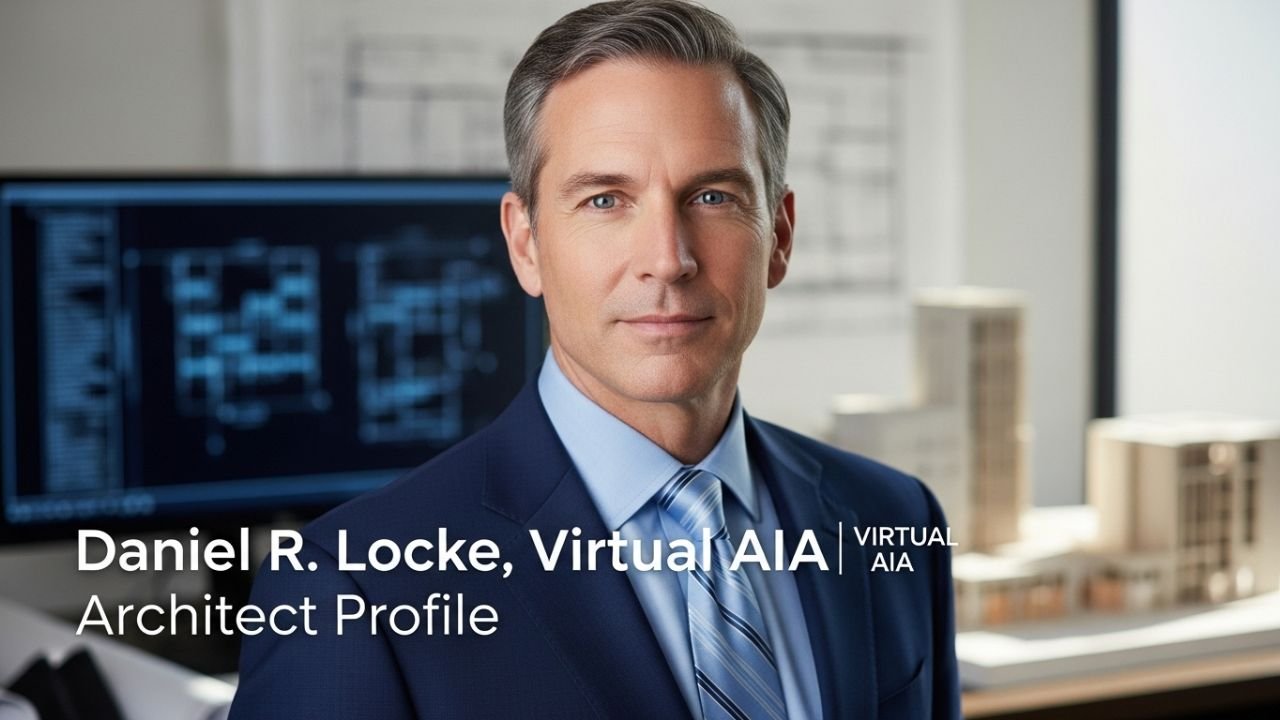
Daniel R Locke Virtual AIA The architectural profession has long relied on collaboration, mentorship, and shared standards to evolve with cultural and technological change. In recent years, these elements have increasingly shifted into digital spaces, reshaping how architects learn, network, and practice. At the intersection of this transformation stands Daniel R. Locke, a professional whose engagement with the American Institute of Architects (AIA) reflects a broader movement toward virtual participation and innovation. The phrase “Virtual AIA” has emerged as a way to describe this evolving digital ecosystem within one of architecture’s most influential organizations.
Daniel R. Locke’s association with Virtual AIA is not about replacing tradition but expanding access and relevance. As architecture adapts to remote work, online education, and global collaboration, figures like Locke help bridge the gap between established institutional frameworks and emerging digital realities. Virtual AIA represents a shift in mindset—one that values flexibility, inclusivity, and technological fluency without abandoning professional rigor.
Understanding Daniel R. Locke’s role in this space requires examining both his professional background and the changing nature of the AIA itself. Together, they reveal how architecture as a discipline is responding to the demands of a digital-first world while maintaining its core values of design excellence, ethics, and public service.
Understanding the American Institute of Architects (AIA)
The American Institute of Architects has been a cornerstone of the architectural profession in the United States since its founding in 1857. Created to promote professional standards, ethical conduct, and public trust, the AIA has historically functioned through local chapters, in-person conferences, and printed resources. These traditional structures helped establish architecture as a licensed, respected profession while providing architects with education, advocacy, and community.
Over time, the AIA expanded its mission to include sustainability, diversity, equity, and technological advancement. Continuing education requirements, design awards, and policy advocacy became integral parts of its value proposition. However, as the profession globalized and digital tools became central to practice, the AIA faced the challenge of remaining accessible and relevant to a new generation of architects.
This challenge gave rise to digital initiatives, online learning platforms, and virtual engagement models—collectively forming what many refer to as Virtual AIA. Rather than being a separate entity, Virtual AIA represents the organization’s adaptation to contemporary professional realities. It enables architects to participate meaningfully regardless of geography, firm size, or schedule, reinforcing the AIA’s mission in a modern context.
Who Is Daniel R. Locke?
Daniel R. Locke is recognized within architectural and professional circles for his thoughtful engagement with evolving industry practices. While not defined by celebrity status, his influence lies in leadership, advocacy, and participation in forward-thinking initiatives. Locke’s career reflects a commitment to professional growth, ethical standards, and innovation—qualities that align closely with the values promoted by the AIA.
Throughout his career, Daniel R. Locke has demonstrated an interest in how architects organize, learn, and collaborate. His professional trajectory shows an awareness that architecture is not static; it evolves alongside technology, economics, and social expectations. This awareness positions him as a relevant voice in conversations about virtual engagement and professional modernization.
Locke’s credibility stems not only from credentials but from active involvement in professional discourse. By engaging with digital platforms and virtual communities, he exemplifies how architects can maintain institutional ties while embracing new modes of participation. His work underscores the idea that leadership in architecture today includes navigating both physical and virtual professional spaces.
Daniel R. Locke’s Connection to AIA
Daniel R. Locke’s relationship with the AIA reflects a broader trend among architects who see professional organizations as living systems rather than fixed institutions. His participation highlights how individual members can influence the direction of the AIA by engaging with its evolving platforms, particularly in virtual contexts. Rather than limiting involvement to local chapter meetings, Locke’s engagement demonstrates a more flexible, digitally integrated approach.
Daniel R Locke Virtual AIA Through committees, online discussions, and virtual events, professionals like Locke help shape the AIA’s response to contemporary challenges. This includes addressing remote work, digital collaboration, and the changing expectations of younger architects. Locke’s involvement signals a commitment to ensuring that the AIA remains relevant, inclusive, and forward-looking.
His connection to Virtual AIA is less about formal titles and more about active participation. By leveraging online tools, sharing insights, and supporting digital initiatives, Daniel R. Locke represents a new kind of AIA member—one who understands that professional leadership now extends beyond physical meeting rooms into virtual networks.
Defining “Virtual AIA”
Virtual AIA is not a single platform or program but a collective term describing how AIA functions in digital spaces. It includes online continuing education, virtual conferences, remote committee work, and digital networking opportunities. This model allows architects to engage with AIA resources without the constraints of location or travel.
At its core, Virtual AIA aims to democratize access to professional development. Architects in small firms, rural areas, or international locations can now participate in discussions and learning opportunities that were once limited to major cities. This shift enhances diversity within the profession by amplifying voices that may have been previously underrepresented.
Daniel R Locke Virtual AIA Virtual AIA also reflects a cultural change within architecture. It acknowledges that meaningful professional relationships and learning can occur online when thoughtfully designed. Rather than diminishing the value of in-person interaction, Virtual AIA complements it, creating a hybrid model that supports architects throughout different stages of their careers.
The Rise of Virtual Professional Communities in Architecture
The growth of virtual professional communities in architecture mirrors broader trends across industries. Advances in communication technology, cloud-based design tools, and collaborative platforms have made remote work not only possible but efficient. Architects increasingly collaborate across cities and continents, making virtual professional engagement a natural extension of daily practice.
Global events, particularly the COVID-19 pandemic, accelerated this transition. What began as a necessity quickly revealed unexpected benefits, including increased attendance at events and greater inclusivity. Virtual communities reduced barriers related to cost, time, and accessibility, encouraging broader participation in professional discourse.
Within this context, Virtual AIA stands as a structured, credible professional community. It provides architects with a sense of belonging and shared purpose while adapting to contemporary workflows. Leaders like Daniel R. Locke help legitimize these spaces by actively engaging in them, reinforcing their value to the profession.
Daniel R. Locke’s Role in Advancing Virtual AIA
Daniel R. Locke’s influence within Virtual AIA lies in advocacy rather than authority. By participating in online forums, virtual panels, and digital initiatives, he helps normalize and elevate virtual engagement as a legitimate form of professional involvement. His presence signals that serious, experienced architects view these spaces as valuable.
Locke’s thought leadership often centers on adaptability and professional responsibility. He recognizes that the future of architecture depends on how well institutions like the AIA integrate digital tools without sacrificing ethical standards or design excellence. His engagement reflects a belief that technology should enhance—not replace—human connection.
By supporting Virtual AIA initiatives, Daniel R. Locke contributes to a cultural shift within the profession. His example encourages other architects to participate digitally, fostering a more connected, informed, and resilient professional community.
Technology Powering Virtual AIA
Virtual AIA relies on a diverse ecosystem of technologies to function effectively. Video conferencing platforms enable lectures, panel discussions, and town halls, while learning management systems host continuing education courses. These tools allow the AIA to deliver consistent, high-quality content to a global audience.
Beyond formal programming, collaborative technologies play a critical role. Discussion boards, social media groups, and messaging platforms facilitate informal knowledge sharing and mentorship. These spaces often foster deeper engagement by allowing architects to connect asynchronously, fitting professional development into busy schedules.
Cloud-based tools and digital documentation also support Virtual AIA’s administrative functions. Together, these technologies create a seamless experience that mirrors—and in some ways improves upon—traditional in-person engagement.
Virtual AIA Events and Programming
Virtual AIA events range from large-scale national conferences to intimate workshops and lectures. These programs often feature prominent architects, educators, and industry experts, making high-level discourse accessible to a broader audience. Recordings further extend their reach, allowing members to learn on demand.
Continuing education is a major focus of Virtual AIA programming. Online courses and webinars help architects meet licensure requirements while exploring emerging topics such as sustainability, equity, and digital design. This flexibility supports lifelong learning, a core value of the profession.
Networking remains a vital component of these events. Virtual breakout rooms, live chats, and follow-up forums help recreate the social aspects of in-person gatherings, fostering meaningful professional connections.
Benefits of Virtual AIA for Architects
One of the most significant benefits of Virtual AIA is accessibility. Architects who previously faced geographic or financial barriers can now engage fully with professional resources. This inclusivity strengthens the profession by incorporating diverse perspectives and experiences.
Cost efficiency is another advantage. Virtual participation eliminates travel expenses and reduces time away from work, making professional involvement more sustainable. Firms benefit as well, as employees can pursue development opportunities without disrupting project schedules.
Flexibility further enhances Virtual AIA’s appeal. Architects can balance learning, networking, and practice responsibilities more effectively, leading to greater overall engagement with the profession.
Challenges and Limitations of Virtual AIA
Despite its advantages, Virtual AIA is not without challenges. The absence of physical presence can limit spontaneous interaction and mentorship opportunities. Building deep professional relationships online requires intentional design and participation.
Technology access and digital literacy also present barriers. Not all members have equal access to reliable internet or familiarity with digital tools. Addressing these disparities is essential to ensuring equitable participation.
Additionally, virtual fatigue can reduce engagement over time. Maintaining high-quality, interactive programming is crucial to sustaining interest and value within Virtual AIA.
Virtual AIA and Continuing Education Requirements
Daniel R Locke Virtual AIA Continuing education is a cornerstone of AIA membership, and Virtual AIA has transformed how these requirements are met. Online courses offer convenience without compromising content quality, often incorporating interactive elements and expert instruction.
Accreditation and quality control remain priorities. Virtual AIA programs adhere to the same standards as in-person offerings, ensuring that learning outcomes meet professional expectations. This consistency reinforces trust in digital education.
As lifelong learning becomes increasingly important, Virtual AIA provides a scalable, adaptable model that supports architects throughout their careers.
Impact on Emerging Architects and Students
For students and emerging professionals, Virtual AIA offers unprecedented access to mentorship and knowledge. Online events allow young architects to engage with industry leaders like Daniel R. Locke, gaining insights that might otherwise be unavailable.
Virtual mentorship programs and career panels help bridge the gap between education and practice. These resources demystify professional pathways and support informed career decisions.
By lowering barriers to entry, Virtual AIA empowers the next generation of architects to participate actively in shaping the profession’s future.
Virtual AIA and Firm-Level Innovation
Firms increasingly leverage Virtual AIA resources to support professional development and innovation. Online learning aligns well with remote and hybrid work models, allowing teams to grow collectively regardless of location.
Virtual engagement also encourages cross-firm collaboration. Architects share best practices and insights, fostering a culture of continuous improvement across the profession.
This collective learning benefits clients as well, as firms apply new knowledge and standards to deliver higher-quality design outcomes.
The Business Side of Virtual AIA
Virtual AIA introduces new economic models for professional organizations. Sponsorships, digital advertising, and paid online content help sustain programming while offering value to industry partners.
Cost efficiencies enable reinvestment in member services, enhancing overall value. This financial sustainability supports long-term innovation within the AIA.
For members, the return on investment often increases, as virtual offerings deliver high-quality content at lower personal cost.
Ethical Standards and Professional Practice in Virtual AIA
Ethics remain central to AIA’s mission, regardless of format. Virtual AIA upholds professional conduct standards through clear guidelines and accountability mechanisms.
Digital collaboration introduces new considerations, such as data security and intellectual property protection. Addressing these issues proactively maintains trust within the professional community.
By reinforcing ethical standards online, Virtual AIA ensures that professional integrity evolves alongside technology.
Comparing Virtual AIA with Traditional AIA Models
Traditional AIA models emphasize in-person interaction and local engagement, while Virtual AIA prioritizes flexibility and reach. Each approach offers unique strengths, suggesting that a hybrid model may be most effective.
Virtual platforms expand access, while physical events foster deep personal connections. Together, they create a comprehensive professional ecosystem.
Understanding this balance helps members choose engagement strategies that align with their goals and circumstances.
The Future of Virtual AIA
The future of Virtual AIA lies in continued integration rather than replacement. Emerging technologies such as virtual reality and AI-driven learning may further enhance engagement.
As architects become increasingly digital-native, expectations for professional organizations will continue to evolve. Virtual AIA is well positioned to meet these demands.
Daniel R. Locke’s forward-looking engagement exemplifies how professionals can shape this future through active participation.
Broader Implications for the Architecture Profession
Virtual AIA reflects a broader shift toward global collaboration and knowledge sharing. Architecture becomes more inclusive, adaptive, and responsive to societal change.
Digital engagement also reshapes professional identity, emphasizing lifelong learning and community over geography.
These changes prepare architects to address complex global challenges with collective intelligence and shared values.
Key Takeaways from Daniel R. Locke’s Virtual AIA Involvement
Daniel R. Locke’s involvement highlights the importance of adaptability and leadership in a changing profession. His engagement demonstrates that meaningful contribution does not depend on physical presence alone.
Virtual AIA thrives when experienced professionals participate actively, lending credibility and insight.
Locke’s example encourages architects to embrace digital platforms as legitimate spaces for professional growth.
Conclusion
Daniel R Locke Virtual AIA Daniel R. Locke’s association with Virtual AIA illustrates how architecture’s most enduring institutions can evolve without losing their core identity. Virtual engagement expands access, fosters innovation, and strengthens professional community.
As the AIA continues to adapt, Virtual AIA will remain a vital component of its mission. Architects who embrace this model position themselves for long-term relevance and impact.
The future of architecture is both physical and digital—and Virtual AIA ensures the profession thrives in both realms.
Frequently Asked Questions (FAQs)
Who is Daniel R. Locke in relation to the AIA?
Daniel R. Locke is a professional associated with forward-thinking engagement within the AIA, particularly in virtual contexts.
What is Virtual AIA?
Virtual AIA refers to the AIA’s digital platforms and online professional engagement initiatives.
Is Virtual AIA officially part of AIA?
Yes, it represents the digital extension of AIA programs and services.
Can architects earn CE credits through Virtual AIA?
Yes, many accredited continuing education opportunities are available online.
How does Virtual AIA benefit young architects?
It provides accessible mentorship, education, and networking opportunities.
Are virtual events replacing in-person AIA conferences?
No, they complement traditional events in a hybrid model.
How can architects participate in Virtual AIA?
Through online events, courses, committees, and digital forums offered by AIA.
Read more: SnapJotz com