





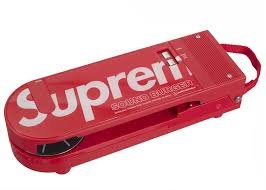
The Techno Sound Supreme Roll represents one of the most dynamic, evolving, and hypnotic techniques in modern electronic music production. It is an approach that blends rhythmic consistency, rolling basslines, and layered percussive momentum to create a powerful sense of motion on the dancefloor. The Supreme Roll is not just a sound but an immersive experience, crafted to pull listeners into a rhythmic flow that feels endless and magnetic. Producers often use it to create tension, build energy, and sustain excitement across long sets, making it a staple in underground techno scenes around the world.
In many ways, the Supreme Roll has become the heartbeat of contemporary techno. It has roots in classic electronic production methods but has evolved dramatically due to advancements in digital audio workstations (DAWs), synthesizers, and sound-design tools. Today, DJs and producers use this technique to generate tracks that feel alive, constantly shifting, and full of sonic color. The Supreme Roll thrives on repetition, but with careful variations that keep listeners engaged without overwhelming their senses.
What sets the Techno Sound Supreme Roll apart is its ability to fuse simplicity with complexity. At first listen, it may seem straightforward, but a closer examination reveals layers of detail, subtle modulations, and evolving textures. This combination creates a deep, immersive environment where rhythm drives the experience, and sound design transforms familiar patterns into something unique. It is a technique that requires both creativity and technical skill, making it a favorite among producers seeking to push boundaries in techno music.
The Evolution of Techno Sound
Techno music began in Detroit during the 1980s, embracing mechanical rhythms and futuristic tones that reflected the city’s industrial backdrop. Early techno was characterized by repetitive beats, synthesized melodies, and the desire to explore the possibilities of electronic instruments. As techno spread across Europe, particularly into Germany and the United Kingdom, it began taking on new forms, incorporating industrial, acid, and minimal influences. This diversification paved the way for more nuanced and complex sound techniques, including the rolling patterns that would later inspire the Supreme Roll.
Industrial techno, with its heavy use of percussive metallic textures and gritty synths, contributed significantly to the creation of rolling soundscapes. Producers learned how to layer repetitive elements in ways that created tension and energy without sacrificing coherence. Acid techno further pushed boundaries by introducing resonant 303 basslines that naturally lent themselves to rolling motion. Minimal techno emphasized stripped-down elements, focusing on subtle variations rather than overwhelming layers—another hallmark of the Supreme Roll.
By the time digital production tools became widely accessible, techno had already established itself as a genre defined by experimentation. Advancements in software synthesizers, automation capabilities, and effects routing opened new creative possibilities. These developments allowed producers to craft evolving, hypnotic patterns with precision, laying the foundation for modern rolling techniques. As a result, the Techno Sound Supreme Roll emerged as a polished, sophisticated evolution of decades of sonic experimentation.
Understanding the Supreme Roll Technique
The Supreme Roll technique is essentially about sustained, forward-driving motion in sound. It revolves around layers of percussion, bass, and rhythmic synth elements that create a continuous sense of momentum. Unlike traditional techno, where breaks and drops may play a more pronounced role, the Supreme Roll focuses on maintaining a hypnotic rhythm. The goal is not to surprise listeners with sudden changes but to carry them on a smooth, immersive sonic journey.
At the core of the Supreme Roll is the concept of “rolling,” which refers to the placement of rhythmic hits in a way that generates perpetual movement. This often involves syncopation, offbeat percussion, and basslines that glide rather than punch. Producers may also use mid-range resonant effects, shuffling hi-hats, and evolving arpeggios to maximize the rolling effect. When executed properly, the track feels like it is always building, even without dramatic transitions.
One of the biggest misconceptions about rolling techno is that it is simple or repetitive. While repetition is a key component, the complexity lies in how producers manipulate it. Small changes in filter cutoff, envelope modulation, or stereo imaging can significantly alter the listener’s perception. The Supreme Roll is built on micro-details—subtle shifts that keep the track alive and constantly engaging. Mastering these nuances requires both musical intuition and deep technical understanding.
Core Elements of the Techno Sound Supreme Roll
The Supreme Roll relies on several key elements, each contributing to its signature hypnotic effect. Basslines are the foundation, typically crafted to sit low in the mix while maintaining a fluid, rolling sensation. These basslines often use glide, sustained notes, and rhythmic variations that emphasize forward motion. Rather than aggressive punchy tones, Supreme Roll bass favors smoother textures that allow other elements to sit comfortably above it.
Percussive layers are equally essential. A rolling techno track often features multiple layers of percussion: steady kick drums, shuffling hi-hats, crisp claps, and subtle rim shots. These layers work together to create a rhythmic bed that feels both steady and evolving. Producers may use delayed percussion, swing adjustments, and offbeat hits to enhance the rolling effect. The result is a groove that feels alive, constantly shifting without breaking the hypnotic flow.
Atmospheric pads and synths add depth and space to the Supreme Roll. These elements help create the immersive quality that defines rolling techno. Pads may slowly evolve over time through filter automation, while synth sequences create rhythmic accents that sit above the percussion. Arpeggios are particularly effective, offering a melodic yet rhythmic complement that reinforces the track’s motion. When combined, these elements form a cohesive soundscape that pulls listeners deep into the track’s energy.
Sound Design Principles Behind the Supreme Roll
Sound design is a cornerstone of the Supreme Roll technique. Producers often rely on filter automation to bring life to repetitive patterns. By gradually opening or closing filters, they create movement that feels organic and evolving. This technique is especially effective in basslines and arpeggios, where subtle changes in frequency can dramatically shift the track’s emotional tone.
ADSR envelopes are another crucial component of Supreme Roll sound design. Producers use envelopes to shape everything from percussive hits to atmospheric textures. Short attack and decay settings can help percussive elements remain crisp and sharp, while longer sustain and release times allow pads and synths to fill the soundscape more fluidly. Balancing these settings ensures that no element dominates the mix, maintaining the track’s rhythmic flow.
LFOs and modulation add depth and complexity to the Supreme Roll. By routing LFOs to parameters such as pitch, filter cutoff, or resonance, producers create cyclical patterns that enhance the rolling effect. These modulations can be synced to tempo or introduced randomly for a more organic feel. Harmonic and inharmonic elements also play key roles, providing textural contrast that enriches the overall sound. Mastering these principles allows producers to craft rolling patterns that feel polished and dynamic.
Essential Tools and Gear
The Techno Sound Supreme Roll can be created using a variety of hardware and software tools. Synthesizers known for their warm analog character, such as the Roland SH-101, Korg Minilogue, and Moog Subsequent 37, are favorites among techno producers. These synths offer deep modulation options and rich tones that naturally lend themselves to rolling textures. Software synthesizers like Serum, Massive X, and Diva are also widely used for their flexibility and sound-shaping capabilities.
Drum machines are indispensable for producing rolling techno rhythms. Classic machines such as the Roland TR-8S and Elektron Analog Rytm allow producers to craft deep, punchy drums with intricate programming abilities. Layering different drum machines or combining analog and digital samples can create unique percussive textures. Producers often experiment with different kits to achieve the perfect balance between punch, warmth, and rhythmic complexity.
The choice of digital audio workstation (DAW) also influences the workflow behind the Supreme Roll. Ableton Live is particularly popular due to its powerful automation tools and intuitive sequencing capabilities. FL Studio, Logic Pro, and Bitwig Studio are also excellent options, each offering unique features that suit the rolling techno style. Ultimately, the best tools are those that inspire creativity and provide the flexibility needed to shape evolving sonic landscapes.
The Role of Sampling
Sampling plays a significant role in creating the Supreme Roll. Producers often use drum and percussion samples to build rhythmic foundations that feel organic and fluid. Choosing the right samples can dramatically influence the character of a track, whether it leans more industrial, minimal, or melodic. High-quality sample packs designed for techno provide a strong starting point, but many producers prefer to record their own sounds or manipulate found audio.
Manipulating samples is a core technique for achieving the rolling effect. Producers use filters, reverbs, and delays to transform raw samples into evolving textures that blend seamlessly with the track. Time-stretching, pitch-shifting, and granular synthesis can further reshape samples into entirely new elements. When used creatively, sampling allows producers to add layers of depth and personality that are difficult to achieve solely through synthesis.
One of the most interesting aspects of sampling in the Supreme Roll is the use of unconventional sound sources. Field recordings, mechanical noises, or even vocal snippets can be processed into rolling loops that add unique character to the track. These unexpected elements introduce subtle variations that keep the listener engaged, reinforcing the hypnotic flow that defines the Supreme Roll.
Arranging a Track With Supreme Roll Elements
Arranging a Supreme Roll track requires a careful balance between structure and evolution. Intros play a critical role, as they set the tone and introduce the listener to the track’s rhythmic flow. Producers often begin with atmospheric elements or stripped-down percussion, gradually introducing basslines and rhythmic layers. This slow build allows listeners to sink into the groove, preparing them for the rolling momentum that follows.
Maintaining flow throughout the track is essential. Rather than relying on dramatic drops or sudden changes, Supreme Roll arrangements typically use gradual transitions. Producers may subtly modify percussion, introduce new textures, or adjust filter settings to keep the track moving. These incremental changes create a sense of progression without disrupting the hypnotic rhythm that defines rolling techno.
Endings should feel satisfying while preserving the track’s energy. Some producers choose to fade elements gradually, while others remove layers one at a time to create a sense of deconstruction. The key is to close the track in a way that feels intentional and reflective of its journey. A well-arranged Supreme Roll track leaves the listener with a lingering sense of motion, even after the music stops.
Advanced Techniques for Producers
Advanced producers often use multiple rolling layers to create dense, immersive soundscapes. Layering different rhythmic patterns allows for a richer, more complex groove. However, achieving balance is crucial—too many layers can muddy the mix. Producers must carefully EQ and pan elements to maintain clarity while enhancing the sense of motion.
White noise and ambient textures can add subtle energy to a Supreme Roll track. When used sparingly, noise elements create tension and highlight rhythmic transitions. Producers often automate noise to rise or fall at key moments, reinforcing the track’s emotional arc. Ambient drones and background textures also contribute depth, making the track feel larger and more atmospheric.
Dynamic stereo movement is another hallmark of advanced rolling techno. Using panning automation, chorus effects, or stereo widening tools, producers create motion that feels three-dimensional. These effects can make the track more engaging, especially when played on high-quality sound systems. Micro-timing adjustments, swing settings, and groove templates further enhance the rhythm, giving the track its unique feel.
Mixing Strategies for Supreme Roll Tracks
Mixing rolling techno requires attention to detail and a deep understanding of frequency balance. EQ is one of the most important tools, helping producers carve space for each element in the mix. Basslines must sit cleanly below mid-range elements without overpowering the kick drum. Percussion layers require careful frequency separation to prevent clutter, while atmospheric sounds must be balanced to avoid masking the core rhythm.
Compression techniques also play a vital role in shaping the Supreme Roll. Sidechain compression is often used to ensure the kick remains prominent, while subtle compression on percussion groups can tighten the groove. Producers may also use parallel compression to add punch without sacrificing dynamic range. The goal is to create a mix that feels powerful, clean, and rhythmically consistent.
Spatial effects such as reverb and delay help create depth and width in the mix. Long, diffused reverbs add atmosphere, while short, tight reverbs keep percussion crisp. Delays can add rhythmic interest, especially when synchronized to the track’s tempo. Stereo imaging tools allow producers to place elements precisely in the stereo field, ensuring a balanced and immersive listening experience.
Mastering a Techno Sound Supreme Roll Track
Mastering brings final polish to a Supreme Roll track. Loudness standards vary depending on the release format, with streaming platforms requiring lower levels than club-ready tracks. Mastering engineers must strike a balance between achieving competitive loudness and maintaining dynamic clarity. Proper mastering ensures the track translates well across different playback systems.
Multi-band processing is essential for controlling the low-end frequencies that define the Supreme Roll. With careful adjustments, engineers can tame resonant peaks while preserving the track’s rolling momentum. Saturation adds warmth and character, enhancing harmonics without distorting the mix. When used subtly, it helps glue elements together, giving the track a cohesive sound.
Preparing tracks for different platforms is an important consideration. Club tracks may benefit from slightly higher loudness levels and enhanced bass response, while streaming versions should prioritize dynamic integrity. Mastering engineers tailor their approach based on the producer’s goals, ensuring the Supreme Roll maintains its impact regardless of where it is played.
DJ Integration: Using Supreme Roll Sounds in Live Sets
DJs rely on rolling elements to create seamless transitions between tracks. The Supreme Roll is particularly effective for beatmatching, as its consistent rhythm makes it easier to sync with other techno tracks. When layered properly, DJs can blend rolling patterns to create extended grooves that captivate audiences. The Supreme Roll’s hypnotic nature allows DJs to maintain energy during longer sets.
Effects play a significant role in enhancing the Supreme Roll during live performances. DJs often use filters, delays, and reverb sweeps to highlight transitions or create tension. These effects give them the ability to shape the rolling flow in real time, responding to the crowd’s energy. Live manipulation adds excitement and uniqueness to each performance.
Crowd psychology is a key factor in the Supreme Roll’s popularity. Rolling techno has a mesmerizing quality that keeps listeners engaged and encourages movement. The steady, flowing groove allows dancers to lose themselves in the rhythm, creating an immersive experience. DJs use the Supreme Roll to build and sustain momentum, ensuring the dancefloor remains energized.
The Cultural Impact of the Supreme Roll
The Supreme Roll has become a defining feature of modern techno culture, especially within underground clubs and festivals. Its hypnotic quality resonates with listeners seeking immersive, transformative musical experiences. As techno continues to evolve, the Supreme Roll remains a staple due to its ability to create deep emotional and physical engagement.
Influential producers have played a major role in shaping the Supreme Roll’s identity. Artists from Berlin, Amsterdam, and London have popularized the technique through their innovative tracks and high-energy performances. These producers blend classic rolling elements with modern production techniques, creating a sound that feels both timeless and cutting-edge.
The Supreme Roll’s appeal extends beyond the dancefloor. Its influence can be heard in film soundtracks, video games, and multimedia installations. The rolling, hypnotic quality enhances visual storytelling and immersive environments. As technology advances, the Supreme Roll’s cultural footprint is likely to expand even further.
Regional Variations in Rolling Techno
Rolling techno varies significantly across different regions. In Europe, particularly in Berlin, the Supreme Roll is characterized by deep, minimalistic grooves and long, evolving tracks. Berlin’s techno culture emphasizes subtlety, focusing on atmospheric elements and gradual transitions that define the rolling experience. Clubs like Berghain have become synonymous with this hypnotic style.
The UK scene introduces a more industrial and gritty interpretation of the Supreme Roll. Producers incorporate harsher textures, metallic percussion, and darker atmospheres. This style often blends elements of drum and bass, industrial, and breakbeat influences, creating a more aggressive yet still hypnotic rolling effect.
In Asia and South America, rolling techno has taken on unique cultural flavors. Asian producers often integrate traditional instruments and tonal patterns, creating hybrid sounds that mix ancient musical traditions with modern rolling techniques. South American techno emphasizes rhythmic complexity and vibrant percussion, offering a more energetic and dance-focused interpretation of the Supreme Roll.
Case Studies of Famous Tracks
Analyzing iconic rolling techno tracks helps producers understand the technique’s practical application. Many well-known tracks feature the characteristic rolling bassline, evolving percussion, and atmospheric layers that define the Supreme Roll. These tracks maintain consistent energy while introducing subtle changes that keep listeners engaged.
What makes these tracks stand out is their attention to detail. Producers use micro-variations, automation, and carefully crafted sound design to shape the rolling effect. Each element serves a purpose, contributing to the track’s hypnotic flow. By dissecting these components, aspiring producers can gain valuable insights into the Supreme Roll’s structure.
The lessons from these case studies highlight the importance of simplicity combined with precision. Rolling techno thrives on repetition, but only when executed with intention and creativity. Understanding how successful producers balance these elements can help newcomers develop their own unique rolling sound.
Creating Your Own Techno Sound Supreme Roll
For beginners, creating a Supreme Roll track may seem challenging, but the process becomes manageable with a clear workflow. Start by building a strong rhythmic foundation with a punchy kick drum and rolling bassline. Focus on creating a groove that feels fluid and engaging. Add layers gradually, ensuring each new element enhances the track without overwhelming it.
Avoid common mistakes such as overloading the mix with too many percussive elements or relying on static loops. Rolling techno depends on evolution and subtlety, so use automation and modulation to keep elements moving. Experimentation is key—try different combinations of synths, samples, and effects until you find your signature sound.
Developing a unique rolling style involves creativity and consistent practice. Listen to a variety of rolling techno tracks to understand different approaches. Spend time refining your sound design skills and exploring new production techniques. With dedication, you can craft Supreme Roll tracks that stand out in the techno scene.
Techno Sound Supreme Roll in Multimedia
The influence of the Supreme Roll extends far beyond music production. Filmmakers often use rolling techno soundscapes to enhance tension, build atmosphere, or underscore action sequences. The continuous motion of the Supreme Roll pairs well with dynamic visuals, creating a cohesive cinematic experience.
In gaming, rolling techno contributes to immersive environments, particularly in futuristic or cyberpunk-themed worlds. Its hypnotic pulse helps maintain player engagement and heightens emotional intensity during gameplay. Game designers use rolling elements to create rhythmic backgrounds that enhance the overall gaming experience.
Advertising has also embraced the Supreme Roll’s energetic and modern feel. Commercials targeting tech-savvy audiences often incorporate rolling techno elements to convey innovation, excitement, and forward-thinking aesthetics. Its versatile nature makes it an effective tool across various forms of multimedia storytelling.
Future Trends in Rolling Techno Sound
The future of the Supreme Roll is closely tied to technological advancements. Artificial intelligence is already influencing sound design and music production. AI tools can generate rolling patterns, manipulate audio, and assist in mixing and mastering processes. These innovations will allow producers to push the Supreme Roll technique even further.
Hardware advancements will also impact rolling techno. New synthesizers and drum machines with enhanced modulation capabilities will give producers more control over evolving patterns. Hybrid analog-digital instruments will offer unique sonic textures, blending warmth with precision.
Over the next decade, rolling techno is likely to become even more experimental. Producers will explore unconventional rhythms, unique soundscapes, and cross-genre collaborations. Despite its evolution, the essence of the Supreme Roll—hypnotic movement and immersive energy—will remain a defining feature of techno music.
Resources for Advancing Skills
Learning the Supreme Roll technique requires both practice and education. Numerous online courses offer step-by-step tutorials on sound design, mixing, and arrangement. Platforms like Masterclass, Udemy, and YouTube provide valuable insights from experienced producers. These resources help beginners understand the fundamentals and build confidence.
Community forums and producer groups offer opportunities for collaboration and feedback. Participating in online discussions can help producers stay informed about new techniques, tools, and trends. Sharing work with peers encourages growth and exposes producers to diverse perspectives.
Books, sample packs, and specialized tools also support skill development. Sample packs tailored to techno production offer high-quality starting points for building rolling rhythms. Books on electronic music theory and production techniques deepen understanding, while advanced plugins allow for creative experimentation.
Final Tips for Mastering the Supreme Roll
Consistency is key to mastering the Supreme Roll. Producers should dedicate time to refining their skills, experimenting with new sounds, and analyzing successful tracks. Practicing regularly builds intuition and helps develop a unique rolling style.
A productive studio environment enhances creativity. Organizing your workspace, optimizing acoustics, and using high-quality equipment contribute to better workflow and sound quality. Creating an inspiring environment encourages experimentation and sustained focus.
Balancing innovation with tradition is essential. While the Supreme Roll has established core characteristics, there is always room for personal interpretation. Producers should respect the genre’s foundations while exploring new ideas. This balance ensures that rolling techno continues to evolve while retaining its signature hypnotic energy.
Conclusion
The Techno Sound Supreme Roll is a powerful technique that captures the essence of hypnotic, evolving techno. Its combination of rhythmic consistency, detailed sound design, and immersive atmosphere makes it a favorite among producers and DJs worldwide. By understanding its core elements and experimenting with advanced techniques, creators can craft tracks that resonate with listeners on both emotional and physical levels.
As technology and creativity continue to evolve, the Supreme Roll will remain a dynamic force in electronic music. Whether used in clubs, films, games, or multimedia environments, its rolling energy offers endless possibilities for innovation. Embracing the Supreme Roll means stepping into a world of sonic exploration, where rhythm drives experience and sound becomes motion.
FAQs
1. What defines a Techno Sound Supreme Roll?
The Supreme Roll is defined by its hypnotic, evolving rhythmic patterns and rolling basslines that create a continuous sense of motion. It focuses on subtle variation rather than sudden changes.
2. Do I need expensive gear to create a Supreme Roll?
No. While hardware synths and drum machines help, modern software tools provide everything needed to produce high-quality rolling techno.
3. What are the best plugins for rolling basslines?
Popular choices include Serum, Diva, and Massive X due to their flexible modulation and warm analog-style tones.
4. How can beginners learn rolling techno quickly?
Start with tutorials, practice building rhythmic layers, and study successful rolling tracks. Experimentation is key.
5. What BPM range is ideal for Supreme Roll productions?
Most rolling techno tracks fall between 128–138 BPM, depending on the desired energy level.
6. Why is the roll so popular in clubs and festivals?
Its hypnotic rhythm keeps listeners engaged and creates a powerful physical and emotional response on the dancefloor.
7. Can the Supreme Roll be used outside of techno?
Yes. Rolling elements appear in house, trance, ambient, and cinematic music due to their dynamic motion.
8. What’s the difference between rolling techno and classic techno?
Rolling techno emphasizes continuous motion and evolving layers, while classic techno may rely more on simpler structures and repetitive patterns.
9. How do DJs use rolling elements in live sets?
DJs layer rolling tracks, manipulate effects, and use rhythmic transitions to maintain energy and flow.
10. What mistakes should producers avoid when creating a Supreme Roll?
Avoid overcrowding the mix, ignoring automation, or leaving loops static. Rolling techno requires evolution and subtle variation.
Read more: TechStudify.com