





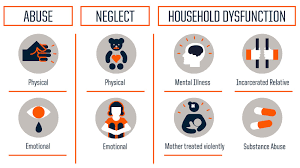
Childhood Trauma Test Pictures Childhood trauma refers to deeply distressing experiences during formative years that leave lasting emotional, psychological, and even physical imprints. These experiences may include neglect, abuse, loss, or witnessing violence. The effects often extend far into adulthood, shaping how individuals think, react, and connect with others. Even when memories fade, the emotional scars can remain embedded in the subconscious mind, influencing behavior and self-perception.
The Rise of Psychological Self-Assessment Tools
With the growth of online platforms and increased mental health awareness, many people are seeking self-assessment tools to understand their emotions better. Tests such as the “childhood trauma picture test” have become popular because they engage users visually rather than verbally. Unlike traditional questionnaires, these picture-based tools evoke emotion and intuition, offering glimpses into areas of the psyche that might otherwise stay hidden.
Why “Childhood Trauma Test Pictures” Are Gaining Attention
These tests have gone viral across social media because they blend curiosity with psychology. People are drawn to visuals that supposedly reveal their inner emotions, often sharing results as a form of self-expression. Beyond entertainment, these images encourage introspection, helping participants recognize lingering childhood wounds that influence their adult lives.
The Concept Behind Childhood Trauma Picture Tests
The Psychology of Visual Testing
Visual assessments work by activating the emotional centers of the brain rather than the logical ones. When someone views an emotionally charged image, it can trigger associations tied to early experiences. Because the subconscious communicates in symbols and feelings, picture tests can often bypass rational defenses, allowing hidden emotions to surface naturally.
Symbolism in Trauma-Related Images
Images used in these tests often carry symbolic meanings—dark shadows, crying eyes, or lonely figures might represent abandonment or fear. These symbols resonate differently depending on the viewer’s unique emotional history. The test’s power lies not in the image itself but in how a person interprets it, revealing unconscious narratives about love, trust, and safety.
The Connection Between Art Therapy and Trauma Testing
Art has long been used in therapy as a bridge between feeling and expression. Childhood trauma picture tests draw from this concept by turning observation into reflection. Just as art therapy allows individuals to project their inner world onto canvas, picture tests invite emotional projection onto imagery—offering a mirror into the unseen layers of the mind.
The Science Behind Visual Trauma Assessments
How the Brain Processes Emotionally Charged Images
When we encounter emotionally potent visuals, our brains light up in areas responsible for memory and emotional regulation. The amygdala, which governs fear and emotional learning, responds first, while the hippocampus links these emotions to past experiences. This interaction explains why an image can suddenly evoke sadness or anxiety without a clear reason.
The Role of the Amygdala and Hippocampus in Trauma Response
The amygdala acts like an emotional alarm bell, triggering fight-or-flight responses when familiar patterns of threat appear. The hippocampus, responsible for memory, may store fragmented details of traumatic events. When someone views a trauma-related image, these brain regions react, reawakening feelings associated with early stress or fear.
Validity of Picture-Based Trauma Tests in Modern Psychology
Childhood Trauma Test Pictures While picture tests are not diagnostic tools, they can be valuable for reflection and discussion. Psychologists often emphasize that interpretation should be guided by professionals rather than taken at face value. The strength of these tests lies in emotional insight, not clinical precision.
Types of Childhood Trauma Picture Tests
The Inkblot (Rorschach) Test and Its Legacy
The Rorschach test, developed in the early 20th century, laid the foundation for modern projective techniques. Participants interpret abstract inkblots, revealing subconscious patterns and personality traits. Though often debated, the Rorschach remains iconic for its ability to spark introspection.
Modern Online Trauma Picture Tests
Today, digital trauma tests blend psychology with interactivity. These online tools use curated images—such as lonely children, chaotic environments, or symbolic objects—to evoke emotional responses. Algorithms may offer interpretive feedback based on reaction time and selected imagery, though such results should be viewed cautiously.
Interactive and AI-Based Visual Assessments
Emerging technologies employ AI to analyze micro-expressions or eye movements as users view certain images. These innovations promise deeper understanding of emotional patterns, offering future potential for trauma-informed digital therapy.
Common Themes Found in Childhood Trauma Picture Tests
Faces and Eyes: Windows to the Inner Child
Faces, especially eyes, are potent emotional symbols. They represent vulnerability, empathy, and trust. A sad or distant gaze in a test image can stir unresolved emotions from times when one’s own needs for comfort or validation went unmet.
Nature and Isolation Imagery
Images of dark forests, empty fields, or desolate homes often symbolize emotional isolation. Such visuals may resonate with those who experienced neglect or abandonment. The sense of emptiness in these pictures mirrors the inner void left by disconnection or fear.
Symbolic Objects: Toys, Shadows, and Doors
Every object can hold psychological meaning. Toys may represent lost innocence, shadows can symbolize suppressed fears, and doors often indicate transitions or barriers in healing. How a viewer relates to these objects provides clues about their current emotional journey.
How to Take a Childhood Trauma Picture Test Responsibly
Setting Emotional Boundaries Before Taking the Test
Before engaging with trauma-related visuals, it’s crucial to ground oneself emotionally. Take the test in a calm, private environment and acknowledge that the process may awaken sensitive memories. Approach it as self-exploration, not judgment.
Interpreting Results with an Open Mind
Remember that interpretations are subjective. The images reflect your inner world, not an objective truth about you. Use the results as a starting point for reflection or therapy, rather than a definitive label.
When to Seek Professional Help
If the test evokes distressing emotions or memories, consider speaking to a mental health professional. Therapists can provide context, help unpack emotional triggers, and create a safe path toward healing.
Emotional Reactions and Their Hidden Meanings
Understanding Emotional Triggers During the Test
Sudden feelings of sadness, fear, or anger while viewing images are not random. They often indicate areas of unresolved emotion. Recognizing these reactions without judgment allows individuals to identify where healing is needed.
How Personal History Shapes Image Interpretation
Two people can see the same image and feel completely different emotions. Our past experiences influence perception—someone who felt neglected might perceive loneliness in an image that another sees as peaceful.
From Reaction to Reflection: Using Insights for Growth
Childhood Trauma Test Pictures Once emotions surface, journaling or discussing them in therapy can transform awareness into understanding. Reflection helps integrate these emotions rather than letting them silently control behavior.
Comparing Childhood Trauma Tests with Other Psychological Tools
Picture Tests vs. Personality Assessments
While personality tests categorize traits, picture-based trauma tests uncover emotions and subconscious patterns. They’re less about labels and more about introspection, helping users connect dots between past and present.
Trauma Picture Tests vs. Clinical Trauma Screenings
Clinical trauma screenings rely on structured questions and measurable outcomes, whereas visual tests depend on interpretation. The latter can be complementary but should never replace professional diagnosis.
Integrating Visual Tests into Therapy and Self-Development
Many therapists incorporate visual exercises into sessions, using imagery as a bridge between conscious thought and buried emotion. Combined with traditional methods, they create holistic healing experiences.
The Benefits of Exploring Trauma Through Images
Unlocking Subconscious Emotions
Images can access feelings words cannot. This bypassing of verbal barriers allows emotions to surface safely and symbolically, offering valuable insight into hidden pain.
Encouraging Self-Discovery and Healing
Visual reflection helps individuals uncover forgotten parts of themselves. By recognizing how certain images resonate, one can better understand personal emotional needs and boundaries.
Building Emotional Resilience Through Understanding
Acknowledging emotional responses builds resilience. Understanding the roots of these emotions helps develop healthier coping mechanisms and fosters self-compassion.
The Risks and Limitations of Trauma Picture Tests
Misinterpretation and Self-Diagnosis
Because results are open to personal bias, self-diagnosis can be misleading. Without professional guidance, individuals might overinterpret harmless feelings or overlook deeper issues.
Emotional Overwhelm and Triggering
Some images may evoke painful memories unexpectedly. It’s essential to take breaks, breathe deeply, and stop if distress becomes overwhelming.
Privacy and Ethical Concerns of Online Testing
Not all online trauma tests protect user data. Sensitive responses could be stored or shared, raising ethical concerns. Choose trusted platforms or offline methods when possible.
The Role of Therapists in Interpreting Visual Trauma Responses
How Professionals Analyze Emotional Symbolism
Therapists trained in art or trauma therapy interpret imagery within context. They focus not just on what the image represents but also on the emotions it evokes and the individual’s personal narrative.
Integrating Picture Tests into Trauma Therapy
Picture-based exercises can serve as conversation starters in therapy, encouraging openness in clients who struggle to verbalize emotions.
Case Examples of Visual Testing in Healing Journeys
Therapists have used imagery successfully to help clients uncover suppressed memories, identify emotional triggers, and rebuild self-trust. These stories demonstrate the power of visual reflection in transformation.
Conclusion
Childhood trauma picture tests are more than viral curiosities—they are gateways to understanding emotional depth. By examining our reactions to images, we uncover buried emotions and patterns that shape our lives. These tools remind us that healing begins with awareness. When used mindfully and with professional support, they can guide individuals toward self-acceptance, resilience, and genuine transformation.
FAQs About Childhood Trauma Picture Tests
1. Are childhood trauma picture tests scientifically accurate?
Not entirely. They offer emotional insights but should not replace professional assessments.
2. Can these tests replace therapy or counseling?
No. They are supplementary tools meant for reflection, not clinical diagnosis.
3. What should I do if I feel triggered by an image?
Pause, breathe deeply, and seek professional help if distress persists.
4. How are these tests different from Rorschach inkblot tests?
They are modern, digital adaptations focusing on emotional resonance rather than psychological classification.
5. Is it safe to take online trauma picture quizzes?
Yes, but use reputable sites that protect privacy and data.
6. What can I learn about myself through these tests?
You may uncover emotional patterns, triggers, or unhealed wounds that influence daily behavior.
7. Do therapists actually use picture tests in sessions?
Some trauma-focused therapists integrate similar visual tools for discussion and reflection.
8. Can trauma picture tests help with self-awareness and growth?
Yes. When interpreted thoughtfully, they can enhance understanding of one’s inner world.
9. How do cultural backgrounds affect interpretation?
Cultural symbols influence perception, so interpretations vary globally.
10. Where can I find professional support after taking such a test?
Look for licensed therapists specializing in trauma recovery, either locally or through telehealth platforms.
Read more: Jaimie Hiebert PHD