





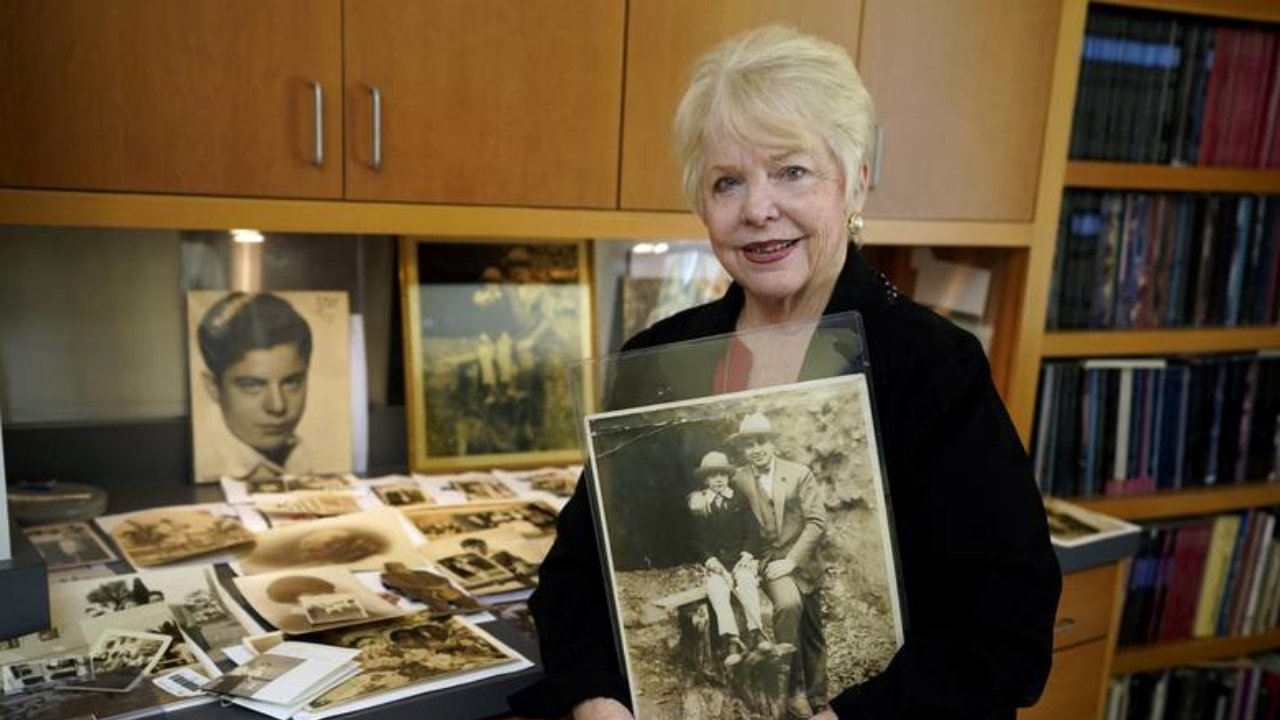
Veronica Capone The name Capone immediately evokes thoughts of Prohibition-era Chicago, speakeasies, and America’s most infamous gangster, Al Capone. But in today’s era, a new figure has quietly captured public imagination: Veronica Capone. Though far removed from the violent world of bootlegging and 1920s crime syndicates, her name alone is powerful enough to stir curiosity. People wonder who she is, what her connection to the notorious family may be, and why her story remains relevant in a digital age dominated by social media, online searches, and genealogy databases. The fascination surrounding Veronica Capone lies not only in her potential lineage but also in the human interest element of how a modern person navigates life under a historically charged surname.
Interest in Veronica Capone has grown due to increasing public curiosity about descendants of historical icons—especially those associated with controversy. As true-crime documentaries, vintage crime retrospectives, and historical podcasts flourish, so does fascination with families tied to America’s criminal past. Veronica’s story taps into this booming cultural trend. While her public presence is far more subdued than that of her legendary ancestor, she remains a symbol of how history, myth, and modern identity intertwine. In many ways, she represents the ongoing dialogue between a violent past and a peaceful present.
Understanding Veronica Capone provides insight into how historical legacies function today. Her life invites larger conversations about inherited reputation, personal agency, and the weight of a name that refuses to fade. Whether she embraces, rejects, or simply exists independently of the Capone legacy, her story is part of a broader cultural narrative about how the past influences the present—and how personal identity evolves amid public speculation.
The Capone Family Legacy
The Capone legacy is one of notoriety, myth, and undeniable historical influence. For decades, the Capone surname has symbolized the tumultuous era of Prohibition, organized crime, and the creation of a criminal empire that captivated the nation. Al Capone’s rise to power and eventual downfall created a cultural phenomenon that continues to dominate books, films, and documentaries. This extensive historical footprint ensures that anyone bearing the Capone name is inevitably linked—fairly or unfairly—to that legacy. Veronica Capone, regardless of her personal choices, lives in the shadow of a surname that is both iconic and infamous.
For many descendants of historical figures, the past becomes a double-edged sword. The Capone family, in particular, carries a heavy burden due to the lingering fascination with the gangster era. Generations after Al Capone’s death, the family legacy remains a subject of curiosity. This legacy extends beyond crime; it also touches themes of resilience, reinvention, and the complex ways families attempt to redefine themselves after public infamy. Veronica Capone’s journey reflects these deeper themes, highlighting how difficult it can be to step away from history’s powerful grip.
In modern times, the Capone surname has also inspired debates about morality, redemption, and the ethical weight carried by descendants of controversial figures. While some see the Capone story as a cautionary tale, others view it through a romanticized, Hollywood-influenced lens. This mixture of fascination and mythology creates a cultural space where Veronica Capone exists—sometimes willingly, sometimes inadvertently. Her connection to such a powerful legacy gives her story a unique relevance in contemporary society.
Veronica Capone’s Early Life
Veronica Capone’s early life is surrounded by the intrigue that naturally follows anyone connected to a historical figure as polarizing as Al Capone. Growing up with such a recognizable surname can shape a child’s worldview in unexpected ways. While much of her early biography remains private, the combination of public curiosity and the mystique of the Capone name ensures that her childhood has been a subject of speculation. From a young age, Veronica would have been aware that her last name carried weight, prompting questions about heritage and identity long before she stepped into adulthood.
Living with a historically charged surname often means developing resilience. Children in such situations frequently navigate assumptions, stereotypes, and curiosity from peers, educators, and even strangers. For Veronica, her formative years likely involved balancing the desire for a normal life with the reality that her family name was anything but ordinary. These early experiences may have played a crucial role in shaping her character, influencing her desire for privacy and fostering a strong sense of personal identity separate from her lineage.
The defining events of Veronica’s childhood—whether moments of introspection, public interaction, or family guidance—undoubtedly contributed to the person she would become. Whether she embraced her heritage or sought to distance herself from it, these early influences set the stage for how she would navigate adulthood under the cultural shadow of the Capone name. Her story is a testament to how one’s environment and family history can shape identity in profound and lasting ways.
Relationship to Al Capone
Questions about Veronica Capone’s exact relationship to Al Capone are among the most frequently asked by curious onlookers. Whether she is a direct descendant or a relative through an extended branch of the Capone family tree, public interest remains strong. Genealogical records, conspiracy theories, and family stories often blur the line between fact and speculation. Despite this ambiguity, the assumed connection is enough to spark fascination. People want to know whether she carries the DNA of America’s most infamous mobster—and how that might affect her life and worldview.
Media portrayals often simplify or dramatize genealogical relationships, contributing to misconceptions about Veronica’s connection to Al Capone. Some sources claim direct lineage, while others suggest more distant ties. Regardless of the exact truth, the mere suggestion of relation is sufficient to fuel internet theories, sensational headlines, and ongoing discussions. This constant speculation shows how deeply society remains intrigued by historical figures and their families, even generations later.
The impact of such assumptions can be significant. For Veronica, public fixation on her relationship to Al Capone may overshadow her personal accomplishments, interests, or individuality. The challenge lies in navigating a world eager to link her identity to a man who lived nearly a century ago. This dynamic reflects broader societal patterns, where descendants of famous or infamous individuals often find themselves defined by ancestry rather than personal merit.
Education and Formative Years
Veronica Capone’s education likely played an essential role in shaping her worldview and helping her develop an independent identity separate from her family legacy. Growing up under the weight of a historically charged surname may have driven her to pursue academic excellence or develop specialized interests. Educational environments often serve as spaces where individuals explore their strengths, and for Veronica, this phase of life likely provided opportunities to understand who she was beyond the Capone name.
Her academic journey may have been influenced by her desire to challenge stereotypes or dispel misconceptions tied to her surname. Schools and universities offer platforms for personal reinvention—something particularly valuable for someone connected to a family legacy that is frequently misunderstood. During these formative years, Veronica may have developed passions in areas such as history, sociology, law, or community work, fields that could intersect meaningfully with her unique background.
Major turning points in her young adulthood may have included key mentors, personal milestones, or defining experiences that shaped her goals. These events likely helped her build confidence and find her voice, enabling her to step into adulthood with a stronger understanding of her identity. Her educational journey provides an important foundation for understanding how she later navigated her professional and personal life.
Career Path and Professional Identity
Veronica Capone’s career path reflects her determination to establish her own identity in a world eager to connect her to the past. Early jobs may have provided experience and clarity about her goals, giving her insights into the fields she would eventually pursue. Whether her professional direction aligned with the arts, business, social services, or another area entirely, her decisions demonstrate her independence from the Capone legacy. Building a career under such a recognizable surname requires strategic thinking, resilience, and a commitment to shaping one’s own narrative.
Her professional accomplishments reveal the depth of her capabilities and the diligence with which she has worked toward success. These achievements help shift attention away from her ancestry, highlighting what she has done rather than where she comes from. For someone in her position, carving out a space that reflects personal talent rather than inherited reputation is both empowering and essential. Veronica’s career may include notable projects, leadership roles, or community initiatives that reflect her values and aspirations.
Despite her accomplishments, the challenges of carrying the Capone surname likely persisted throughout her professional journey. Some may have viewed her with curiosity or skepticism, while others may have held preconceived notions. Veronica’s professional identity represents her ability to rise above these obstacles, define her own path, and demonstrate that one’s legacy does not determine one’s future. Her story offers inspiration to anyone striving to overcome the weight of history.
Personal Life and Interests
Behind the public curiosity and historical associations, Veronica Capone is a person with her own hobbies, passions, and ways of seeing the world. Her personal life reflects her individuality—something that cannot be overshadowed by ancestry. Whether she enjoys artistic pursuits, outdoor activities, literature, or travel, her interests paint a fuller picture of who she is beyond the Capone name. These aspects of her life remind us that individuals are more than the labels society places upon them.
Relationships and personal connections likely play a significant role in how Veronica navigates her public identity. Supportive friends and family members can provide grounding amid external scrutiny or curiosity. These relationships may have shaped her approach to privacy, helping her balance her public and private worlds. Building meaningful connections also reinforces her independence, proving that personal value extends far beyond lineage or history.
Balancing public curiosity with private living is a delicate task. For Veronica, navigating this balance requires intentional choices about what to share and what to protect. Her approach to privacy demonstrates self-awareness and strength—a desire to define her life by her own choices rather than by external expectations. This balance contributes to the enduring mystery that surrounds her, inviting interest while preserving her autonomy.
Media Attention and Public Spotlight
Media attention has played a major role in shaping public perception of Veronica Capone. Although she is not a traditional celebrity, her surname alone is enough to draw occasional headlines. Whether through interviews, brief mentions in documentaries, or online speculation, the media often portrays her as a living connection to a bygone era of crime and drama. These portrayals can be both flattering and intrusive, depending on their accuracy and tone.
The rise of social media has amplified public interest in her story. Platforms like Facebook, TikTok, and YouTube allow individuals to share opinions, theories, and historical content that fuels curiosity about the Capone family. In some cases, posts about Veronica go viral—not because of her actions, but because of what she represents. This dynamic highlights how ancestry can become a form of unintended celebrity, especially in the age of viral content and rapid information sharing.
For Veronica, media attention can create challenges. While her connection to a historical icon may attract interest, it can also complicate her desire for privacy and autonomy. Public misinformation or overly dramatized narratives can distort her story, prompting her to remain cautious about public engagement. Her experience reflects the broader issue of how media shapes identity for individuals linked to famous families.
Separating Myth from Reality
One of the biggest challenges Veronica Capone faces is navigating the myths and rumors surrounding her name. The Capone family history has become heavily romanticized, influenced by movies, novels, and dramatized retellings. These fictionalized narratives create misconceptions about anyone associated with the name. Veronica’s story is often entangled with myths that blur truth, exaggerate connections, or invent details to feed public fascination.
Fact-checking these claims is essential to separating reality from speculation. Many online narratives draw from unreliable sources or blend documented history with imagination. As a result, Veronica’s identity is often shaped more by public fantasy than by verified information. Addressing these misconceptions helps shift focus back to her individuality and away from exaggerated assumptions.
These myths persist because they fulfill a cultural desire for mystery and drama. People are drawn to the idea of modern descendants of famous gangsters navigating contemporary life. Veronica represents this intersection of past and present. Her challenge—and triumph—is in grounding herself in truth, defining her narrative with authenticity, and reminding the world that history should not overshadow personal reality.
The Burden and Privilege of Notoriety
Carrying a notorious surname can be both a burden and a privilege. For Veronica Capone, the burden lies in the assumptions, stereotypes, and judgments people may attach to her. Strangers might romanticize the gangster era or imagine connections to criminal behavior that no longer exist. This weight can affect relationships, career opportunities, and public interactions, making everyday life more complicated than it might be for someone with an ordinary surname.
However, notoriety can also bring unexpected advantages. Recognition can open doors in certain fields, especially those related to entertainment, history, or public speaking. Some individuals choose to leverage such recognition, turning their lineage into a platform for storytelling or advocacy. Whether Veronica embraces these opportunities is unclear, but the potential exists. The challenge is ensuring that any benefits gained from the name do not overshadow her personal identity or achievements.
The dual nature of notoriety highlights the complex relationship between past and present. Veronica’s experience mirrors the experiences of many descendants of historical figures—balancing inherited reputation with personal autonomy. Navigating these complexities requires grace, self-awareness, and a strong sense of identity. Her story underscores the idea that ancestry shapes us, but does not define us.
Modern Pop Culture and the Capone Connection
Pop culture continues to revive interest in Prohibition-era gangsters, making figures like Al Capone central to films, television shows, musicals, and podcasts. This cultural revival inadvertently thrusts individuals like Veronica Capone into the spotlight. Even if she chooses a quiet life, pop culture ensures that the Capone name never truly leaves public consciousness. From Hollywood dramatizations to video games inspired by 1920s crime, the Capone legacy remains firmly embedded in entertainment.
This ongoing fascination with mafia lore creates a cultural framework through which people view Veronica. The entertainment industry often blurs history and fiction, creating exaggerated versions of Al Capone that overshadow historical accuracy. As a result, individuals connected to the family may be seen through this distorted lens. Veronica’s life exists in contrast to these sensationalized portrayals, highlighting the disconnect between media representation and real-world experiences.
The resurgence of interest in vintage crime history demonstrates a broader cultural trend: the tendency to romanticize the past. Veronica’s name inadvertently becomes part of this cultural phenomenon. Her presence reminds us that behind the dramatized stories lie real families, real histories, and real people who continue to navigate life long after the headlines have faded.
Legal and Ethical Considerations
Being connected to a historically controversial family brings unique legal and ethical challenges. Public records about the Capone family have long been scrutinized by historians, journalists, and curious individuals. For Veronica Capone, this scrutiny may result in unwanted attention or invasion of privacy. The digital age complicates matters further, as information—accurate or not—spreads rapidly through online databases, social networks, and public forums.
Ethically, society must consider the boundaries of investigating or publicizing information about descendants of infamous individuals. While historical research is valuable, it becomes problematic when it intrudes on the privacy of living family members who played no role in past events. This raises questions about how much information should be accessible and how individuals like Veronica should be portrayed in public narratives.
Veronica’s experience highlights the need for responsible reporting and respectful engagement with historical families. Journalists, researchers, and content creators must balance public interest with ethical considerations. Protecting the rights and dignity of individuals living under the shadow of historical notoriety is essential for maintaining fairness and accuracy. Her story encourages these important discussions.
Veronica Capone’s Public Image
Public perception of Veronica Capone is shaped by a mix of fascination, assumptions, and limited information. For some, her surname instantly evokes curiosity. Others may view her with skepticism or romanticized intrigue. This wide range of reactions illustrates how powerful a historical legacy can be. Public figures often work hard to shape their image, but for someone like Veronica, her image is frequently constructed by others before she even speaks.
Managing reputation in the digital age is an ongoing challenge. With social media, online forums, and gossip websites, narratives can spread quickly and without verification. Veronica’s selective approach to public exposure suggests a desire to maintain control over her identity. By choosing what to share and what to keep private, she actively shapes her public image, demonstrating a strong sense of personal agency.
The contrast between public perception and personal identity underscores an important theme in Veronica’s story. She is not merely a descendant of a historical figure; she is a modern individual with her own aspirations, values, and goals. Her public image may draw attention, but it does not fully capture the depth of her personal journey. Her story encourages people to look beyond assumptions and consider the humanity behind the headline.
Philanthropy and Community Engagement
Individuals with historically significant surnames often find themselves drawn to philanthropy or community work as a way to create meaningful impact. Veronica Capone’s involvement in charitable causes or community initiatives—formal or informal—reflects her desire to contribute positively to the world. Giving back allows her to build a legacy grounded in compassion and service rather than in the notoriety associated with her surname. These actions position her as a figure focused on progress and unity.
Her motivations for engaging in philanthropy may stem from personal values rather than public expectation. People connected to controversial historical figures sometimes feel compelled to give back as a way of balancing past narratives with present contributions. Veronica’s participation in community causes highlights her commitment to shaping her identity through meaningful actions that reflect integrity and empathy.
Through her philanthropic efforts, Veronica helps redefine the Capone legacy for future generations. By contributing to positive social change, she demonstrates that history does not dictate destiny. Her work serves as a reminder that individuals have the power to transform public perception and create new narratives built on kindness, resilience, and personal purpose.
Documentaries, Interviews, and Appearances
Veronica Capone has occasionally been referenced in documentaries, interviews, or historical discussions related to Al Capone and his extended family. These appearances—whether direct or indirect—contribute to her public narrative. Documentary filmmakers often seek insight into the lives of descendants, hoping to understand how historical figures shape modern identity. Veronica’s involvement in these projects may vary, but her presence inevitably adds authenticity and perspective.
When Veronica chooses to speak publicly, her voice provides clarity amid speculation. Her statements, whether brief or detailed, offer valuable insight into how she navigates her ancestry. These moments allow her to reclaim control over her narrative, correcting misinformation and providing personal context. Through carefully chosen remarks or appearances, she bridges the gap between historical legacy and modern experience.
These public engagements shape how audiences perceive not only her life but also the broader Capone family story. They add depth to historical discussions, reminding viewers that the descendants of infamous individuals are real people with unique experiences. Veronica’s willingness to engage with history—when she chooses to—demonstrates courage and offers a nuanced perspective that enriches public understanding.
Online Presence
In today’s interconnected world, digital presence plays a significant role in shaping identity. Veronica Capone’s online footprint—whether through social media, interviews, or public mentions—reflects her approach to navigating modern visibility. She may choose to maintain a limited online presence to preserve her privacy, or she may use digital platforms strategically to shape her narrative. Either way, the internet amplifies interest in her story.
Social media can be both empowering and challenging for individuals connected to famous families. It provides opportunities for self-expression, storytelling, and community building, yet it also exposes users to scrutiny and misinformation. Veronica’s online interactions—however frequent or infrequent—illustrate her understanding of these dynamics. Her cautious approach suggests an awareness of the importance of controlling how she is perceived in digital spaces.
Curating her online image allows Veronica to present herself authentically while maintaining boundaries. This balance demonstrates modern digital literacy and self-awareness. By choosing what to share and what to protect, she upholds her personal values while navigating the complexities of public curiosity. Her online presence adds another layer to her evolving story.
Cultural Impact of Her Story
Veronica Capone’s story resonates because it intersects with themes that captivate modern audiences: identity, legacy, fame, and reinvention. Her life underscores the enduring fascination society has with the descendants of historical figures. People are drawn to the contrast between the past’s dramatic narratives and the present’s ordinary realities. Veronica’s existence highlights how history continues to influence contemporary culture, even generations after events have passed.
Her story contributes to discussions about how individuals navigate inherited reputations. The Capone legacy forces society to examine whether we are defined by ancestry or personal choices. Veronica’s life demonstrates that individuals have the power to shape their paths, regardless of public assumptions. Her story inspires others to look beyond historical narratives and recognize the complexity of personal identity.
Through her journey, Veronica helps perpetuate conversations about morality, legacy, and societal perception. Her narrative encourages a deeper understanding of how history impacts modern life. Whether intentionally or not, she has become a cultural symbol—an example of how the shadows of the past interact with the light of the present. This cultural impact ensures her story will remain relevant for years to come.
Comparisons to Other Famous Descendants
Veronica Capone’s experience is not unique—many descendants of historical figures face public fascination, expectation, and scrutiny. Comparisons to the descendants of figures like Jesse James, John Dillinger, or even political leaders highlight shared challenges. These individuals often struggle with identity formation under the weight of expectation, navigating lives overshadowed by the actions of ancestors they may never have met.
Despite these similarities, Veronica’s experience is distinct due to the widespread recognition of the Capone name. Al Capone remains one of the most well-known figures in American history, his story preserved through decades of media portrayals. Veronica’s connection to such a powerful legacy sets her apart from other descendants, giving her story a unique cultural resonance.
Her personal approach to legacy—whether through privacy, selective engagement, or community involvement—distinguishes her from others in similar positions. Each descendant chooses how to interact with public interest. Veronica’s journey reflects a thoughtful balance of independence and awareness, demonstrating strength and resilience in defining her identity.
Controversies and Public Debates
Controversy naturally follows figures associated with historically infamous families. Veronica Capone has faced her share of public debate, often fueled by misinformation, assumptions, or exaggerated claims. Online discussions sometimes involve conspiracy theories about the Capone family, speculating about hidden wealth, secret histories, or ongoing criminal ties—none of which are supported by credible evidence. These fictional narratives, however entertaining, distort public understanding.
Such controversies highlight the broader issue of how digital culture spreads unverified information. Social media platforms and online forums often prioritize sensationalism over accuracy. As a result, Veronica’s story may be overshadowed by fictionalized narratives. Navigating these situations requires patience and clarity, as correcting false claims can be a complex and ongoing process.
Despite these challenges, Veronica handles public debate with composure. Her ability to remain grounded reflects her strength of character. By maintaining her own narrative and choosing when to engage or remain silent, she demonstrates wisdom and dignity. Her story is a reminder that public perception does not define personal truth.
Veronica Capone’s Future
Looking ahead, Veronica Capone’s future holds vast possibilities. Whether she chooses to embrace her family’s legacy, explore new career paths, or deepen her involvement in community work, she has the opportunity to shape her own destiny. Her story is a powerful example of how individuals can rise above historical narratives and create meaningful lives that reflect personal values rather than inherited reputations.
Potential future projects could include memoirs, public speaking, historical commentary, or involvement in media related to genealogy or personal identity. Alternatively, she may choose a quieter path, continuing to build a life grounded in privacy and authenticity. Both options reflect strength and autonomy, demonstrating that her journey belongs to her alone.
Ultimately, Veronica Capone’s future will likely reflect the themes that define her story: resilience, independence, and personal growth. Her narrative inspires others to reflect on their own identities and the power of shaping one’s path. As long as interest in the Capone legacy persists, Veronica’s story will remain a compelling part of the broader discussion.
Conclusion
Veronica Capone’s life story is a fascinating blend of history, mystery, and personal identity. Her journey highlights the enduring impact of ancestry and the challenges faced by individuals connected to historical figures. Despite the shadow cast by the Capone legacy, Veronica has forged her own path, demonstrating resilience, intelligence, and independence. Her story invites readers to reconsider how we perceive the descendants of famous individuals and reminds us that history does not determine destiny.
By exploring her life through the lens of legacy, identity, and modern culture, we gain deeper insight into the complexities of navigating a historically charged surname. Veronica Capone represents a powerful symbol of personal agency in the face of public expectation. Her story will continue to inspire interest as society remains captivated by the connection between past and present.
Ultimately, Veronica’s narrative is about more than lineage. It is about the human experience—the quest for identity, the desire for privacy, and the resilience required to rise above the narratives imposed upon us. Her story reminds us that every individual, regardless of history, has the power to define their own legacy.
FAQs
1. Who is Veronica Capone, and how is she related to Al Capone?
Veronica Capone is widely believed to be connected to the Capone family, though the exact genealogical relationship remains unclear.
2. Is Veronica Capone a public figure?
She is not a conventional public figure but attracts attention due to her surname.
3. Why does Veronica Capone attract online attention?
Her connection to the Capone name and public fascination with mafia history keeps her name relevant.
4. What challenges come with the Capone surname?
People with the Capone name often face stereotypes, assumptions, and heightened curiosity.
5. Has Veronica Capone spoken publicly about her family legacy?
She has occasionally been referenced in documentaries and public discussions, though she maintains a private life.
6. Does Veronica Capone have a social media presence?
Her online presence exists but is limited and carefully curated for privacy.
7. Are claims about the Capone family tree accurate?
Many online claims are speculative or based on misinformation.
8. What is known about Veronica Capone’s personal life?
She keeps much of her personal life private, focusing on independence and authenticity.
9. Why are descendants of historical figures often discussed?
People are fascinated by how modern individuals navigate lives tied to famous ancestors.
10. Is Veronica Capone involved in philanthropy?
She is associated with community engagement and positive contributions, reflecting her desire to build her own legacy.
Read more: Playing Games Blog Playbattlesquare