




What Disease Does Sam Elliott Have Public curiosity about celebrity health is nothing new, and Sam Elliott is no exception. Over the years, fans have increasingly searched for answers to questions about his well-being, often asking, “What disease does Sam Elliott have?” This question, while common online, is rooted more in speculation than verified information. As a beloved Hollywood figure with a decades-long career, Elliott’s appearance, voice, and age have naturally evolved, sparking assumptions that are not always grounded in fact.
The purpose of this article is to clearly separate confirmed information from rumors and assumptions. In an era dominated by clickbait headlines and algorithm-driven searches, it is essential to approach such topics with accuracy, respect, and responsibility. Sam Elliott has never publicly disclosed having a specific disease, and much of what circulates online lacks credible sourcing.
By examining his career, public statements, lifestyle, and the broader culture of celebrity health speculation, this article aims to provide clarity. Rather than fueling misinformation, the focus here is on understanding why these questions arise and how readers can approach similar claims with a more critical and informed mindset.
Introduction
Sam Elliott’s enduring presence in film and television has made him a familiar and trusted figure to audiences around the world. With that familiarity comes concern, curiosity, and sometimes unwarranted speculation. When fans notice changes in appearance, voice, or on-screen roles, questions naturally arise about health, aging, and longevity.
The internet has amplified these questions, often turning simple curiosity into trending search terms. “What disease does Sam Elliott have?” is one such example, a query that suggests a hidden illness without evidence. This highlights a broader issue: how easily unverified assumptions can become accepted narratives.
This article does not aim to pry into private matters but to address public curiosity responsibly. By examining what is known, what is rumored, and what remains private, readers can gain a balanced perspective that respects both truth and personal boundaries.
Who Is Sam Elliott? A Brief Career Overview
Sam Elliott is an American actor best known for his deep voice, commanding presence, and iconic portrayal of Western and rugged characters. Born in 1944, Elliott’s career spans more than five decades, during which he has appeared in films, television series, and voice-over projects that have left a lasting cultural impact.
From early roles in Westerns to acclaimed performances in films like Tombstone, The Big Lebowski, and A Star Is Born, Elliott has built a reputation for authenticity and consistency. His characters often embody strength, resilience, and quiet wisdom, qualities that resonate strongly with audiences.
Despite the natural passage of time, Elliott has remained professionally active well into his later years. His continued involvement in major productions challenges the notion that aging equates to decline, offering a powerful counter-narrative to many of the assumptions that fuel health-related rumors.
Why Do People Ask About Sam Elliott’s Health?
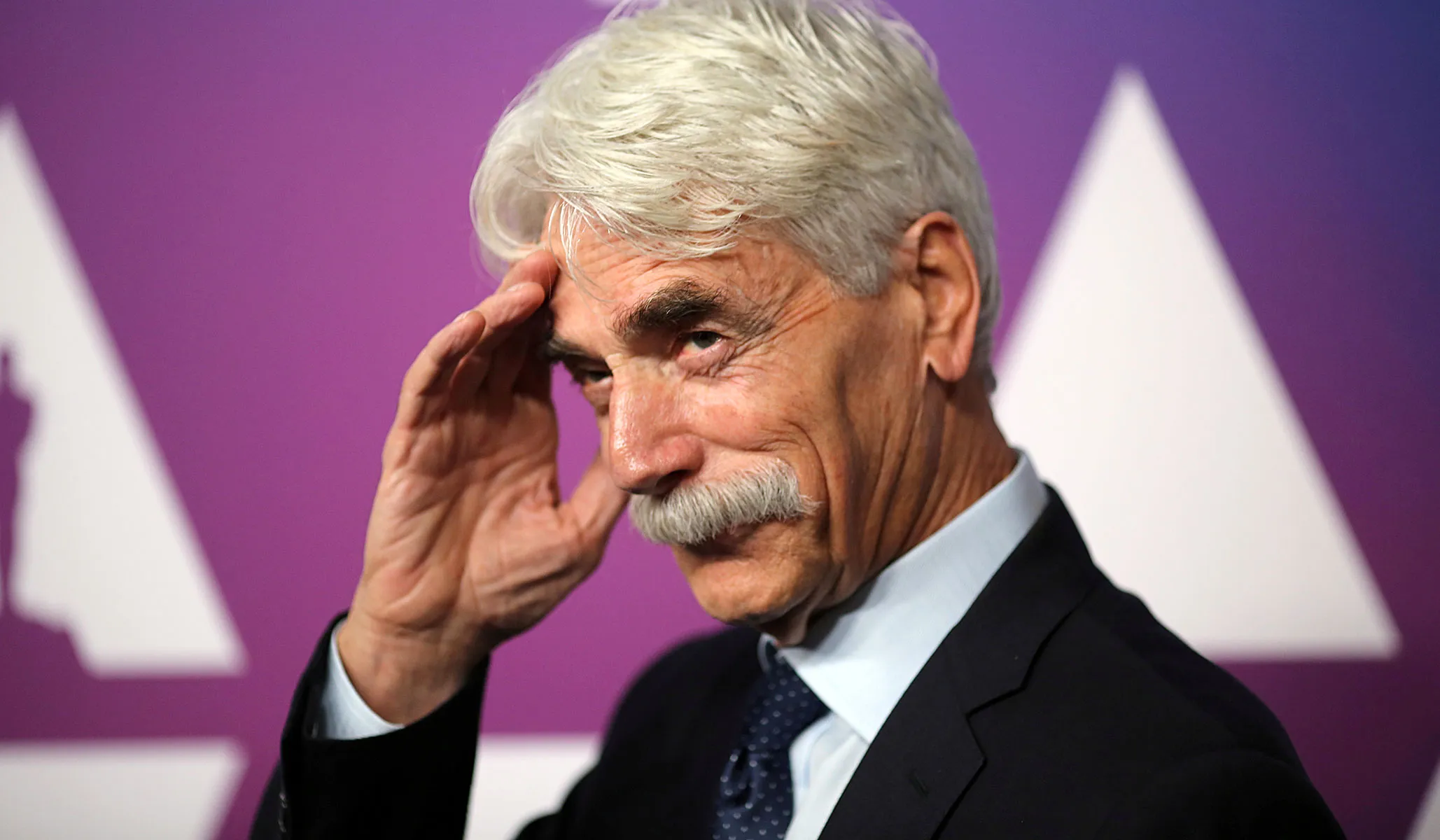
Questions about Sam Elliott’s health often stem from visible changes that come with aging. As public figures grow older, every physical shift becomes noticeable, particularly when audiences have watched them for decades. Gray hair, slower movements, or deeper facial lines can easily be misinterpreted as signs of illness.
Another contributing factor is the intense scrutiny placed on celebrities. Fans feel emotionally connected and may express concern in ways that unintentionally cross into speculation. Search engines amplify this curiosity by suggesting related questions, reinforcing the idea that there must be something to uncover.
In reality, asking about health does not always come from negative intent. However, without verified information, such questions risk perpetuating false narratives. Understanding why these questions arise is the first step toward addressing them responsibly and respectfully.
Has Sam Elliott Publicly Disclosed Any Disease?
To date, Sam Elliott has not publicly disclosed having any specific disease or serious medical condition. Interviews, press appearances, and official statements focus primarily on his work, career reflections, and personal philosophy rather than health issues. This absence of disclosure is significant and should be respected.
In celebrity culture, silence is often interpreted as secrecy, but this assumption is misleading. Many public figures choose not to discuss medical matters, even when healthy, as a matter of personal privacy. The lack of information does not imply the presence of illness.
Responsible reporting relies on confirmed sources, not assumptions. In Elliott’s case, there is no credible evidence or official acknowledgment of any disease. Recognizing this helps prevent the spread of misinformation and reinforces the importance of relying on verified facts.
Common Rumors About Sam Elliott’s Health
Rumors surrounding Sam Elliott’s health tend to circulate on social media platforms, discussion forums, and low-credibility blogs. These claims often lack sources and rely on vague observations, such as changes in appearance or voice, to suggest underlying medical issues.
Once such rumors appear online, they are frequently repeated, reshared, and reframed, giving them an illusion of credibility. Algorithms prioritize engagement, not accuracy, which allows speculative content to spread faster than factual corrections.
It is important to recognize these patterns and approach them critically. Without confirmation from Elliott himself or reputable sources, such rumors remain just that—unverified speculation. Readers play a crucial role in stopping misinformation by choosing not to amplify unfounded claims.
The Truth About Sam Elliott’s Voice
Sam Elliott’s voice is one of his most recognizable traits. Deep, gravelly, and resonant, it has become synonymous with authority and authenticity. Contrary to popular belief, this vocal quality is not the result of illness but a natural characteristic shaped by genetics, age, and professional use.
Over time, voices naturally change, especially for individuals who rely on them extensively. Decades of acting, narration, and voice-over work can add texture and depth, but this does not indicate disease. Vocal aging is a normal biological process experienced by everyone.
Associating a distinctive voice with illness reflects a misunderstanding of how the human body changes over time. Elliott’s voice remains strong and controlled, reinforcing the reality that his vocal qualities are a feature of his persona, not a symptom of health problems.
Aging vs. Illness: Understanding the Difference
One of the most common misconceptions in celebrity health speculation is confusing aging with illness. Aging brings visible and functional changes that are entirely normal, yet these are often interpreted as warning signs when observed in public figures.
Sam Elliott, like anyone in his age group, naturally experiences physical changes. Slower movements, a more deliberate presence, and a weathered appearance are not indicators of disease but reflections of a life lived fully and visibly.
Understanding this distinction is crucial for audiences. By recognizing that aging is not a pathology, readers can shift their perspective from concern-based speculation to appreciation of longevity and experience. This mindset fosters respect rather than unnecessary alarm.
Lifestyle Factors That Support Longevity
What Disease Does Sam Elliott Have Sam Elliott’s long career suggests a lifestyle that supports endurance and balance. While he does not publicly share detailed health routines, his consistent work ethic and measured career choices indicate a sustainable approach to life and work.
Avoiding overexposure, choosing meaningful roles, and maintaining personal boundaries can contribute significantly to long-term well-being. Many actors who burn out early face intense schedules and pressures that Elliott has largely avoided.
Longevity is often the result of moderation rather than extremes. Elliott’s career trajectory serves as an example of how pacing, professionalism, and self-awareness can support both personal health and professional longevity.
How Hollywood Stereotypes Affect Health Assumptions
Sam Elliott is often cast as the rugged cowboy or stoic authority figure, roles that emphasize toughness and resilience. Ironically, this image can fuel health speculation when age softens physical intensity, leading audiences to assume something is wrong.
Hollywood stereotypes shape expectations. When an actor known for strength appears older, viewers may unconsciously equate change with decline. This reflects cultural biases rather than medical realities.
By challenging these stereotypes, audiences can appreciate aging as a natural evolution rather than a failure to meet outdated ideals. Elliott’s continued success demonstrates that presence and depth often increase with age.
Media Responsibility When Reporting on Celebrity Health
Media outlets play a critical role in shaping public perception of celebrity health. Ethical reporting requires verification, context, and restraint, particularly when dealing with sensitive topics like illness.
Unfortunately, sensational headlines often prioritize clicks over accuracy. Speculative health claims attract attention but undermine trust and can cause unnecessary distress. Responsible journalism avoids presenting assumptions as facts.
Readers benefit from media literacy, learning to distinguish credible reporting from clickbait. By supporting responsible outlets, audiences can encourage higher standards in entertainment journalism.
Conclusion
What Disease Does Sam Elliott Have In summary, there is no confirmed disease that Sam Elliott has publicly disclosed. Much of the speculation surrounding his health is rooted in aging, stereotypes, and online rumor culture rather than evidence. Respecting privacy, prioritizing facts, and questioning assumptions allow for a more ethical and informed discourse. Sam Elliott’s career and continued presence speak louder than unfounded claims. Choosing facts over fiction benefits not only public figures but also the integrity of public conversation.
Frequently Asked Questions (FAQs)
Does Sam Elliott have a confirmed medical condition?
No, Sam Elliott has not publicly confirmed having any specific medical condition.
Has Sam Elliott ever spoken about serious health issues?
He has not disclosed serious health issues in interviews or public statements.
Is Sam Elliott’s voice a sign of illness?
No, his deep, gravelly voice is a natural characteristic and a result of age and professional use.
Why do people think Sam Elliott is sick?
Speculation often arises from aging, appearance changes, and online rumors.
Is it appropriate to speculate about a celebrity’s health?
Speculating without evidence is generally considered unethical and invasive.
How old is Sam Elliott, and is he still acting?
He is in his 80s and remains professionally active in film and voice work.
Where can fans find reliable information about Sam Elliott?
Reliable information comes from reputable news outlets, official interviews, and verified sources.
Read more: ETSJavaApp Release Date